Source-linked RevOps signals, held to an editorial relevance gate. Each item names the operator question worth checking and keeps the original source visible.
Zendesk made dedicated connectors for Helpjuice, WordPress and ReadMe generally available, letting admins synchronize those sources into Zendesk Knowledge for use wherever external content is supported.
Attio's September 23 changelog adds workflow history and an agent log, giving operators a per-run view into workflow execution while Attio expands agentic CRM automation.
Customer.io's September 24 Design Studio release can generate brand rules from websites, logos and files, build email drafts from that context and existing emails, and apply smaller inline AI edits to selected components.
Front added a DELETE endpoint for application message templates synchronized through Channel API, allowing an external deletion webhook to remove Front's copy immediately instead of waiting for a full resync.
Salesloft published a September 24 product vision that connects forecasting and execution, while previewing Agentic Forecasting, adaptive multi-step Agentic Playbooks, expanded real-time conversation signals and Context Intelligence as future direction.
Intercom now lets teams create custom reporting metrics by filtering built-in metrics or dividing two metrics with separate filters, with results calculated across available history when charts load.
Maxio's September 23 release fixes two silent-data risks: renewed hybrid price points now keep secondary pricing, and subscription CSV recurring_price now uses each subscription's own currency.
Apollo API errors using its new response format now include stable machine-readable codes, concise messages, recovery suggestions and safe request-specific context.
Gainsight's September release adds product-level Relationship mapping for Timeline activity, new stakeholder views, and Staircase context across Copilot, Slack and Gainsight CS MCP.
Close now surfaces an Ask Chloe option when users type a query in the CRM command palette, putting a natural-language question path inside the same keyboard-driven navigation surface.
Mixpanel Headless is an early-access Python SDK that exposes the product's analytics and configuration surface to code, including reports, cohorts, dashboards, feature flags and experiments.
Intercom now shows specific reasons when an outbound call does not connect, separating invalid numbers, busy lines, recipient declines, carrier blocks and region restrictions instead of one generic failure.
Clay's September 21 roundup makes Functions the primary reusable enrichment building block, retires several older Recipe and template entry points and adds workspace-level Auto Top-Ups for data credits.
Customer.io's September 17 React Native and Flutter SDK releases let apps override the color scheme used for in-app messages, giving mobile teams explicit control over light and dark rendering behavior.
UserGems has exposed its platform through MCP so customers can research accounts, prioritize prospects, draft outreach and create or edit campaigns from MCP-compatible assistants.
Demandbase has released a redesigned Orchestration layer with a visual builder, branching, expanded integrations, custom actions and execution history for signal-driven GTM plays.
Close has rebuilt phone-number management so every number supports shared routing features, admins can manage organization numbers centrally and caller-ID availability can be controlled per number.
Prospect discovery and selected sequence work can now happen from Slack. The operating question is how teams keep identity, permission and write evidence clear when the interface moves outside the system of record.
The product can now represent deeper content trees. Customer operations teams still need a clear rule for when hierarchy improves discovery and when it hides ownership or content debt.
Flat fees, included usage and overage can now live in one product, while minimum commitments move into native billing logic. RevOps still has to govern usage definitions and contract versions.
An externally defined audience can now move directly into a one-time send. The new convenience makes audience provenance, identity resolution and pre-send controls more important.
Zendesk is packaging service agents around industry jobs and company-specific workflows. The operating question is how those specialized jobs keep authority clear as they cross systems.
A small Inbox change makes concurrent human work visible before another reply is sent. The broader RevOps lesson is that ownership and action state should be inspectable before execution.
Negative WEEK values are coming to two forecast submission tables. The change is small at the schema level and material anywhere a query assumed future-period submissions did not exist.
Nova moves preparation, capture and suggested CRM updates into Pipedrive. The operational question is how reliably a conversation becomes structured CRM state.
The combined data platform is putting governed context closer to agents. RevOps still needs to decide which business definitions are authoritative and which actions those definitions may support.
The ticket-creation screen can now stage a saved reply or note and its follow-up actions before submission. That makes creation itself a control point for permissions, identity and audit evidence.
HubSpot says customers can build, manage and measure ChatGPT Ads campaigns from HubSpot. The operational work is defining which CRM context may drive audiences, spend and measurement.
Teams can generate screenshots for named clients and devices before sending. The value comes from turning those previews into a repeatable, risk-based release check.
The new integrations move post-sale signals closer to seller and agent workflows. The operational question is whether context, authority and write-back remain explainable.
Legacy theme versions now have a dated retirement path. Support operations teams should inventory custom themes, integrations and publishing controls before the final migration.
The September 15 enforcement date has passed. Lifecycle teams need to verify sender registration, channel scope and fallback behavior before Spanish sends continue.
Teams can ask new questions over messaging and behavioral data outside the standard report library, raising the value of explicit metric definitions and reproducible analytical boundaries.
Prebuilt Stripe, Shopify and Statuspage templates reduce connector setup, while status-code history gives operators a clearer record of connector degradation and recovery.
The September rollout puts Outreach’s conversational agent into Slack while adding a confirmation step before supported Prospect, Account and Opportunity changes.
Mixpanel has extended experiments and feature flags beyond Enterprise. RevOps teams should inspect identity, exposure, plan allowances and downstream authority before the result changes a customer or CRM workflow.
Maxio's August release spans entitlements, hybrid usage pricing, contract ingestion, CPI renewals and close controls. The operating challenge is keeping commercial evidence and approvals intact across the broader automation surface.
Amplitude can now stop an experiment or flag at a scheduled time and freeze the analysis window. Operators still need to reconcile late data, fallback behavior and downstream actions outside Amplitude.
Klaviyo says hundreds of platform capabilities can now be reached through APIs and agent interfaces. RevOps teams should verify scope, query logic, approval and customer-state controls before production use.
PostHog changed access precedence to use the most-specific rule and says MCP intent capture redacts common structured PII. Both updates matter to teams exposing product and customer data to agents.
Marketo Engage now disables and deschedules campaigns when their folder is archived. Adobe also says two lead-activity endpoints will reject static lists of 10,000 or more members from 30 September.
Authorized administrators can ask Chloe about invoices, telephony and AI credits. Reconcile the answers with billing evidence before using them in a cost review.
Clay connects richer MCP prospect searches with Account Engagement list operations. Matching, enrichment and campaign eligibility remain separate checks.
Assignment-level reporting makes ticket journeys visible. Availability, counting rules and history limits matter when interpreting a support bottleneck.
Sighub’s four approved tools let HubSpot agents retrieve renewal decisions, explain account risk, snooze alerts and record explicitly confirmed outcomes. Access requires an active Team or Partner plan.
Salesforce's September 9 account describes the controls around a 30-day internal agent pilot. The useful RevOps signal is its operating model, not a transferable productivity benchmark.
A Salesforce-commissioned finance survey documents perceived complexity across revenue models, channels and manual work. It is a diligence input, not proof that AI resolves those problems.
Salesforce's September 8 guide previews its service agenda for Dreamforce 2026. Operators should separate event themes from documented availability and prepare evidence-based test cases.
The September 4 completion notice turns an opt-in redesign into an everyday operating change. RevOps should review shared views, field authority and the work users may no longer see.
The September 8 preview places conversational booking around the Field Service scheduling engine. The RevOps question is how a request becomes a valid service commitment—and what happens when it cannot.
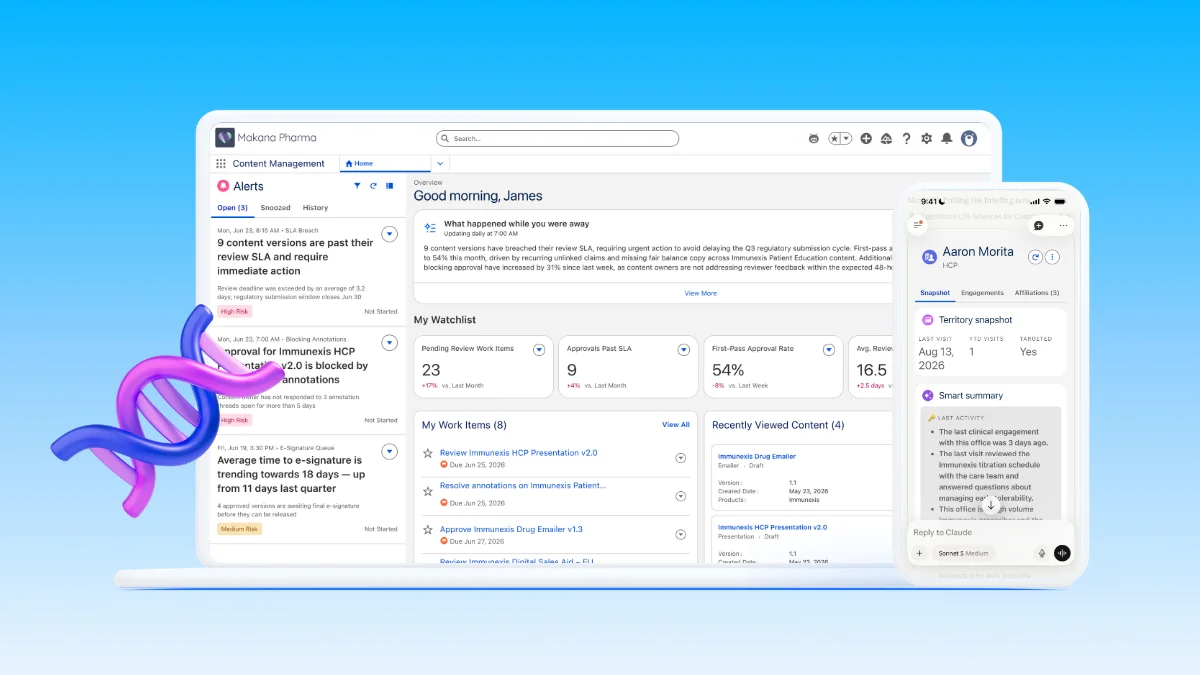
Regulated Content Management, Command Center and Life Sciences MCP are announced on different availability timelines. Commercial operations teams should use the roadmap to prepare evidence and ownership, not assume a live replacement.
Workato raises Event Streams payload limits and adds dynamic recipe batching. Downstream limits, replay behaviour and field selection still need validation.
Intercom announces a Snowflake MCP connection for Fin. The setup guide identifies a closed beta with role-scoped access and warehouse-side preparation.
The September 1 product roundup makes service-agent improvement more actionable. The operating work is deciding which gaps need better knowledge, a new action or a human handoff.
A company-reported support case offers useful evidence for operators, provided its observed results stay separate from universal targets and retention claims.
PostHog adds a Metronome data source for billing records. Joining those records to product activity still requires explicit account identity, grain and timing.
Core, Advanced and Max packages combine agent capacity with Slack, analytics, security and support. For RevOps, the practical work is to separate included entitlements from usable workflow coverage and future consumption.
HubSpot’s UNBOUND conference is approaching as Agent Hub, Agent Builder and Agent Tools remain in beta. Sighub is aligning Renewal Radar around bounded renewal evidence and deterministic action states—not open-ended churn prediction.
The new control layer evaluates proposed agent actions before business tools execute. A public reference endpoint is available, while production workspaces remain subject to approved early access.
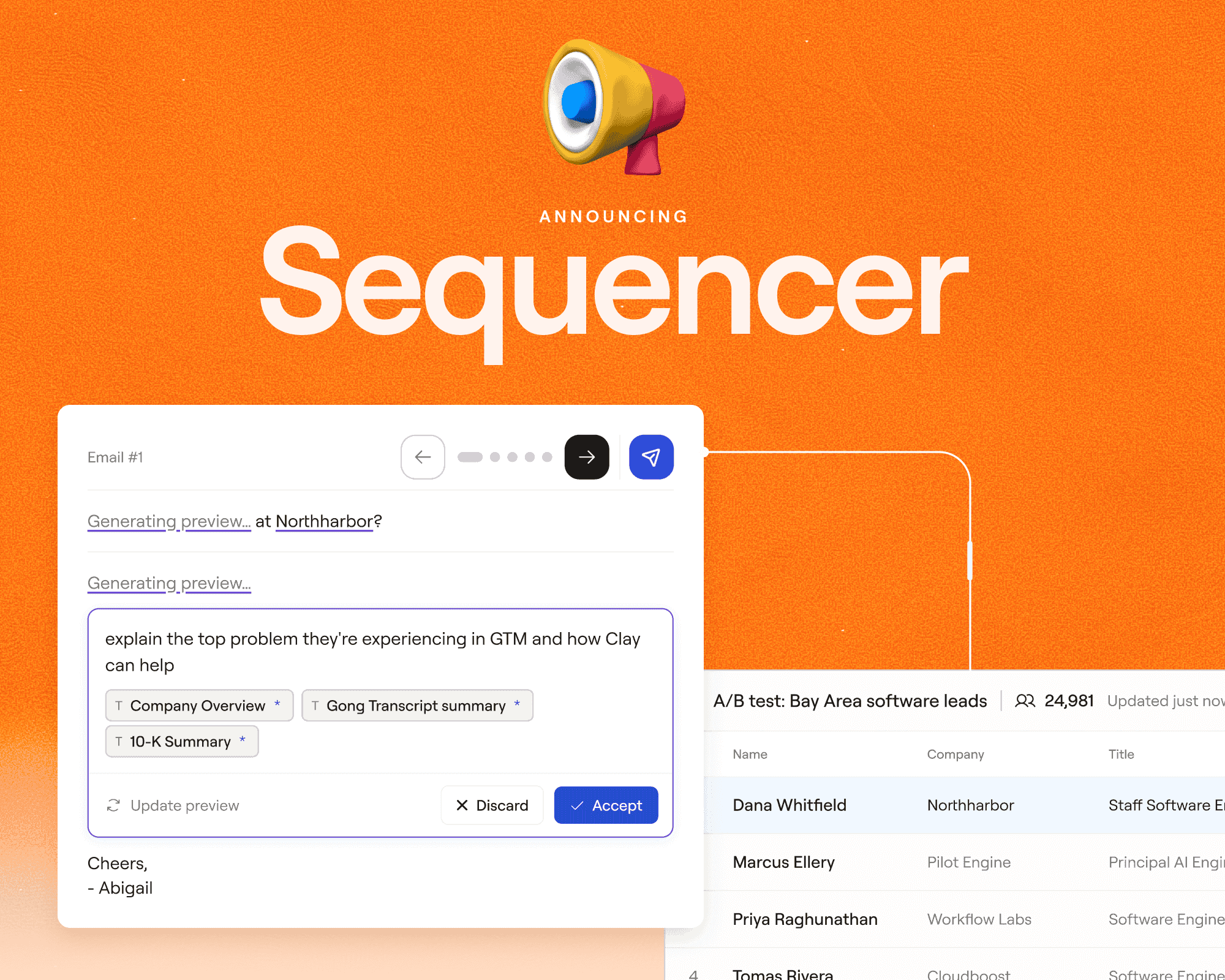
Clay has made its sequencer generally available with audience, eligibility, inbox, reply, and analytics controls. The operator question is whether the combined workflow remains inspectable when source data changes between enrollment and send.
The release expands Agentforce into reusable skills, cross-platform orchestration, quoting and renewal preparation. Its 12 October general-availability date gives RevOps teams a short window to define evidence, permissions and post-action verification.
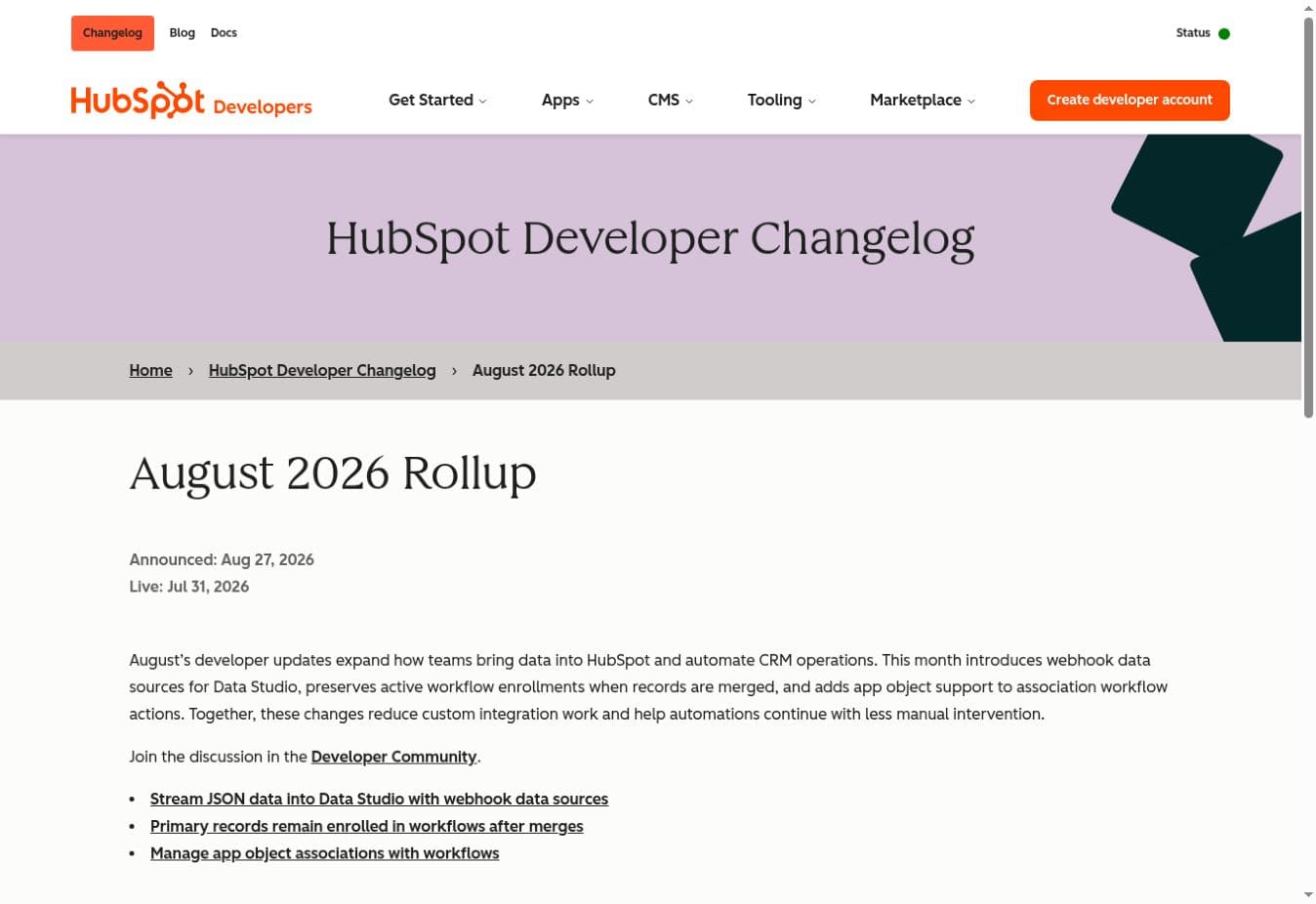
Webhook data sources, merge-safe workflow enrollment and app-object associations can remove custom integration work, but each feature also moves an operational boundary. RevOps should review secret handling, match keys, merge outcomes, pending automation and association authority before relying on the new behavior.
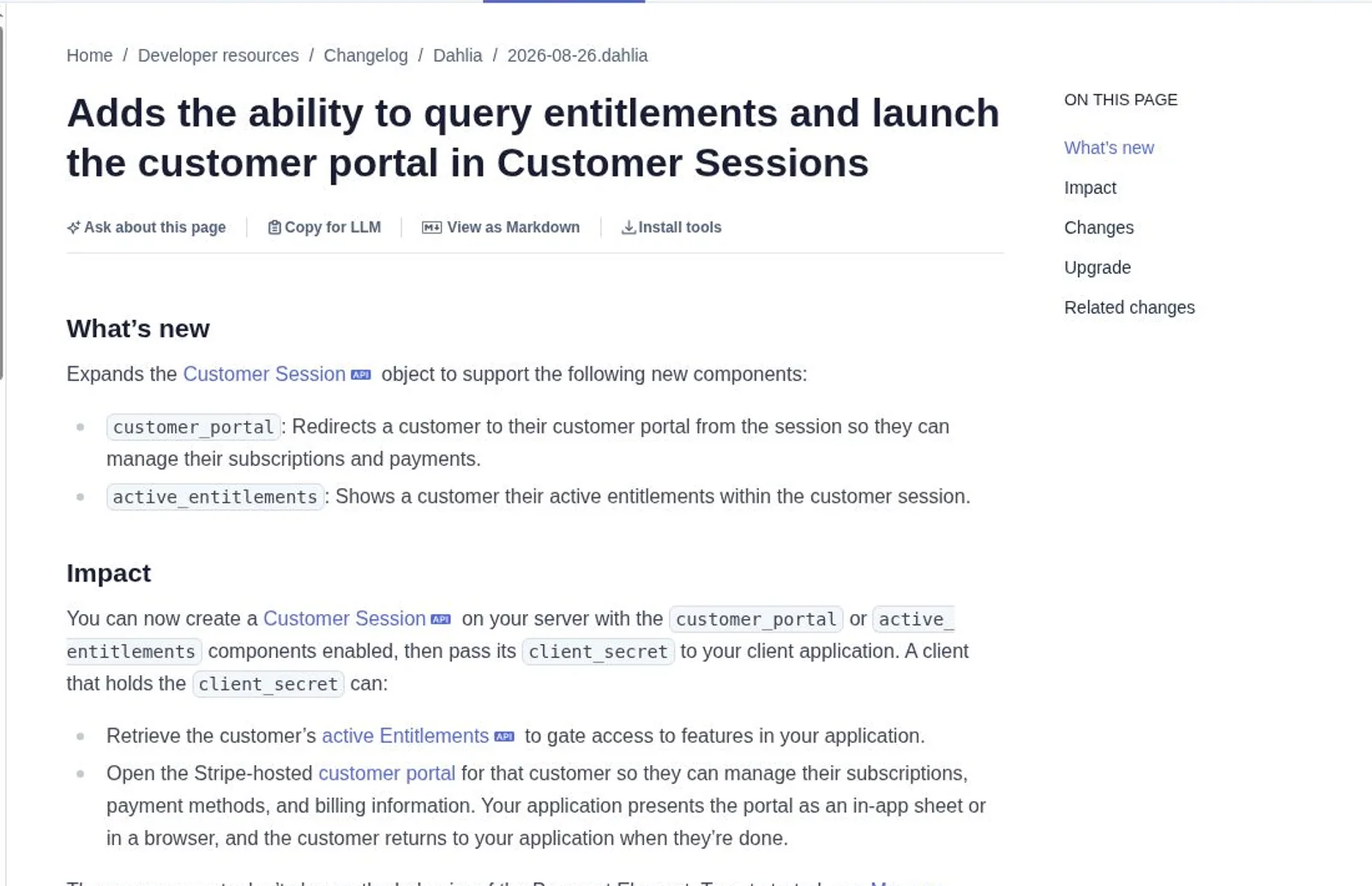
The 2026-08-26 Dahlia release adds customer-portal links, entitlement access in Customer Sessions, frozen invoice-item fields, another invoice payment method, and a higher subscription-item limit. Each is non-breaking at the API level, but each can still change an operating workflow.
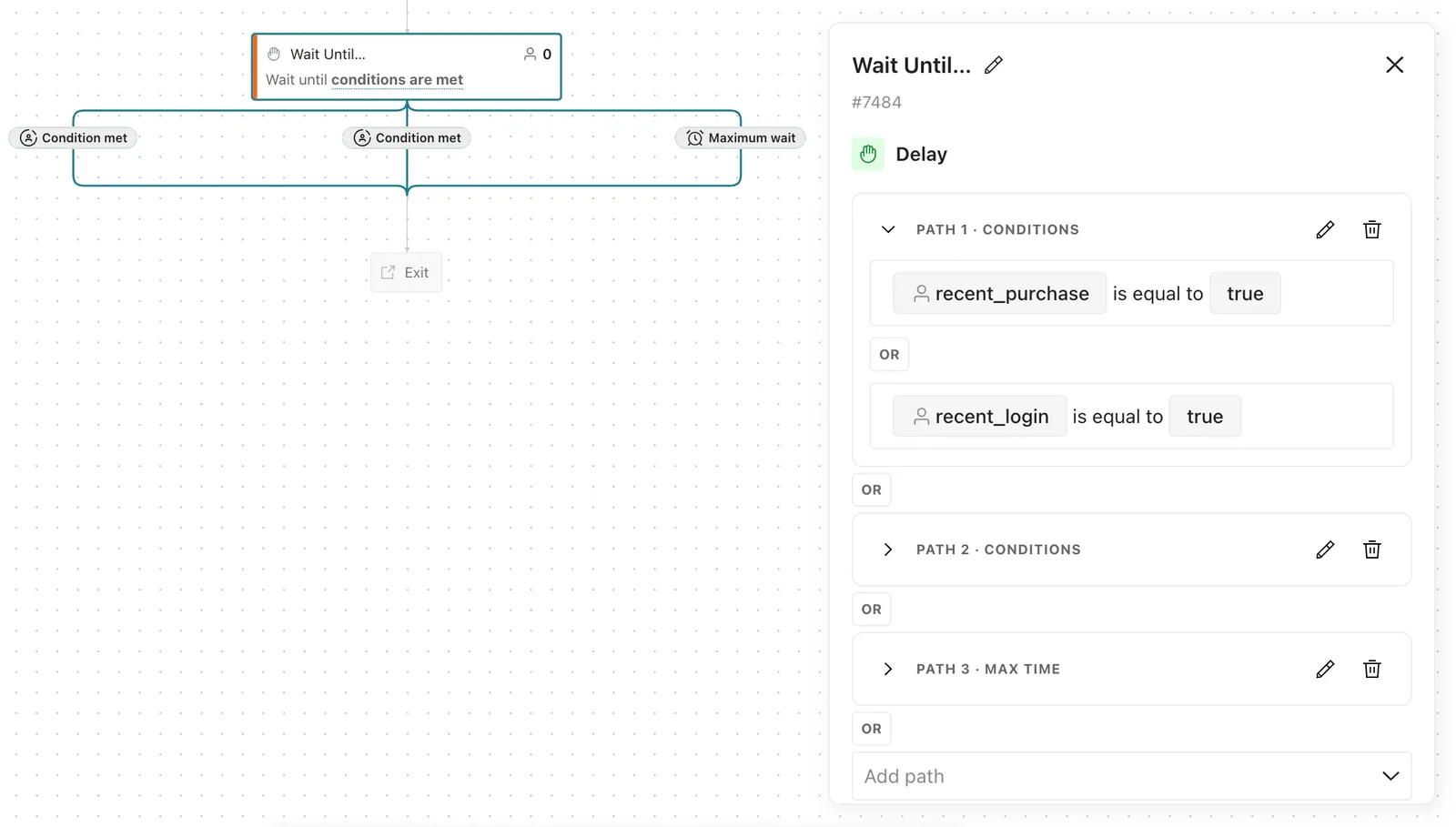
A single Wait Until path can now combine chained delays, nested And/Or conditions, and relationship logic. The canvas may become shorter, but the lifecycle decision becomes more expressive. Preserve timing, identity, branch meaning, exits, and test evidence before consolidating production journeys.
Attio’s new workflow apps connect spreadsheets, project handoffs and email discovery. RevOps teams should test record identity and repeat-trigger behaviour.
HubSpot grouped invoice prioritization, billing defaults, price books, tax monitoring, project-contract associations, and a payments-readiness API into one August update. RevOps should not deploy them as one bundle: each release changes a different authority, evidence, or handoff boundary.
Clay’s 24 August update adds Enterprise credit budgets and Function testing. Teams still need to separate credit controls, action usage and production approval.
Braze makes its Cloud Data Ingestion SQL editor generally available. A separate visual mapper remains in beta, with different transformation capabilities.
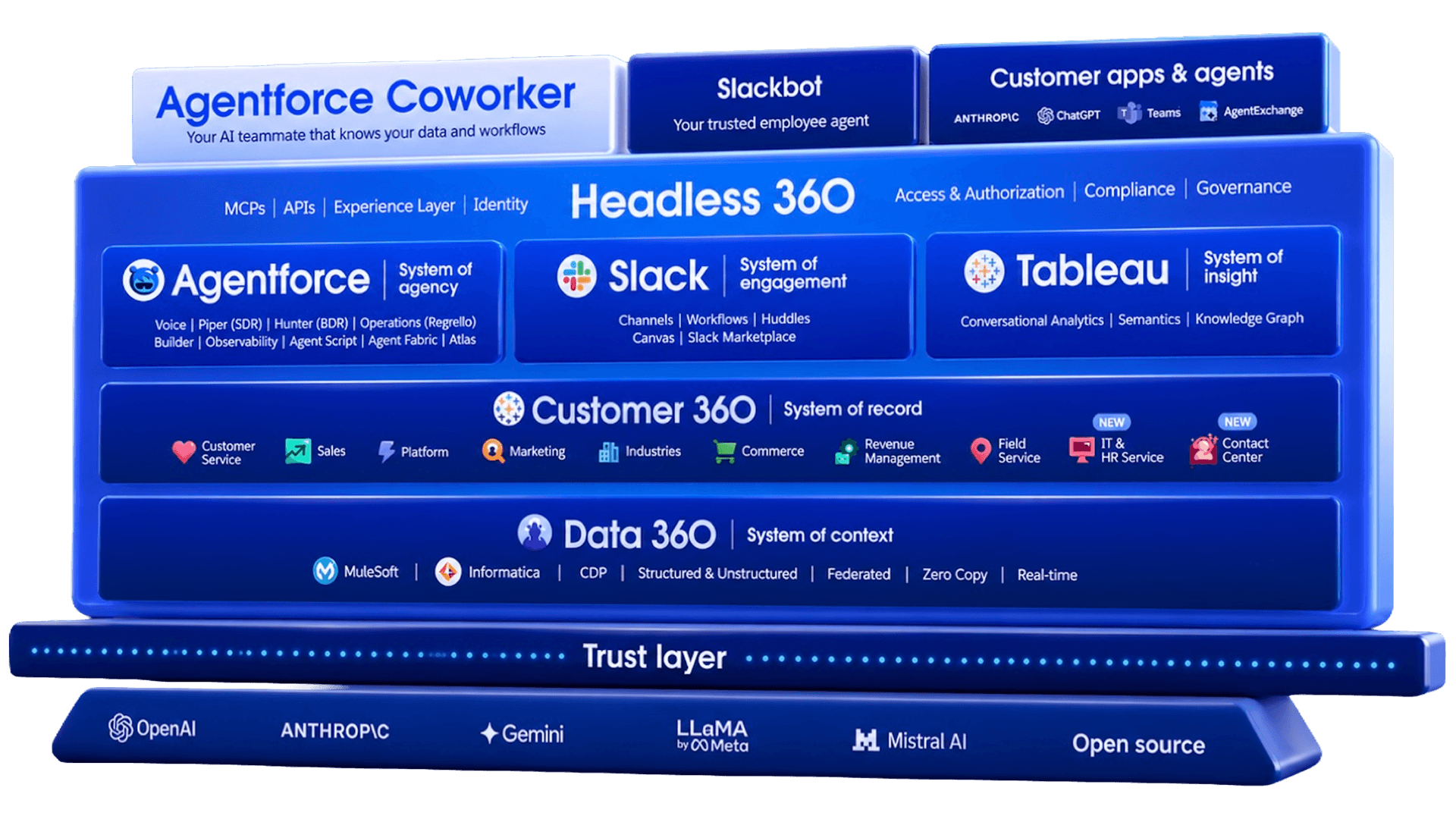
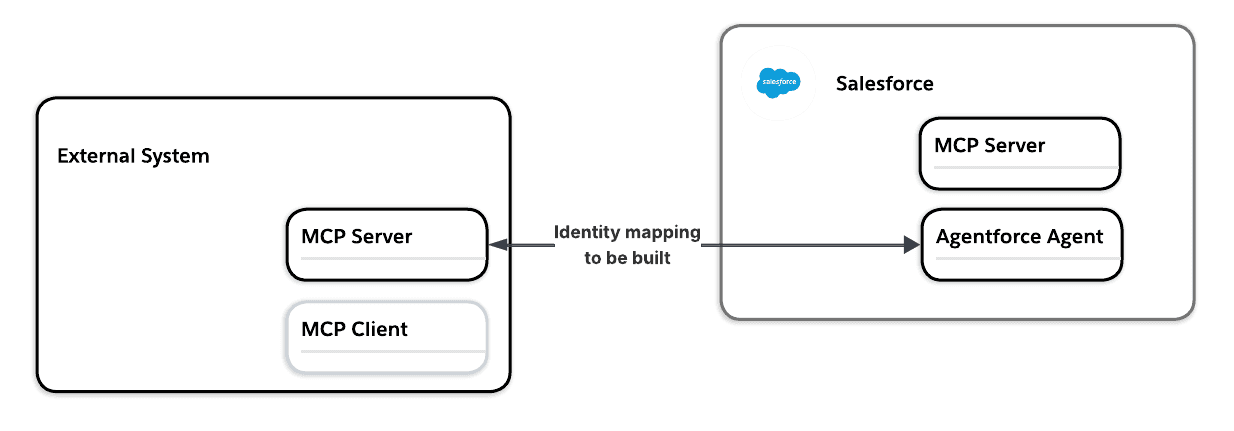
Salesforce is making CRM capabilities discoverable to more agents through MCP, Skills, Data 360 and headless experience layers. Reuse can reduce integration work, but discovery is not permission and a reusable capability still needs a named identity, bounded object access, approval policy, duplicate-write control and revocation path.
Close adds a searchable Event Log across plans. Its 30-day history helps teams trace CRM changes, with permissions and retention limits to plan around.
Customer.io’s Slack app adds a conversational entry point for workspace questions and work. Teams need clear boundaries for access, review and message launch.
Salesforce’s Headless 360 guidance moves Agentforce development from browser-only configuration toward metadata, CLI deployment, reusable tests, and production traces. RevOps should treat that as a change-control signal: define record authority, approval gates, release evidence, and rollback before an agent can affect a live revenue workflow.
MarTech’s measurement signal is simple: more frequent data creates more opportunities to overreact. RevOps should separate normal movement from decision-grade change with explicit metric purpose, observation windows, system-of-record evidence, and a controlled action rule.
Salesforce argues that technical debt, unclear data ownership, and slow change governance become harder constraints when agents depend on CRM context. RevOps should answer with a traceable decision queue, explicit field and automation authority, faster review, and a readiness gate before agent rollout.
Salesforce presents prebuilt connectors and AgentExchange as a faster route to connected work. RevOps should translate that convenience into explicit identity, field authority, sync direction, agent access, retry, reconciliation, and exit controls before production use.
MarTech argues that every new marketing integration is a security decision. RevOps should turn that warning into a live inventory of connected apps, effective identities, CRM scopes, onward transfers, write paths, retention, and tested revocation.
Salesforce’s Data 360 architecture article shows why identity resolution is more than deduplication. RevOps should inspect event order, customer keys, field survivorship, record relationships, permissions, and merge history before an agent reads or acts on a unified profile.
A SaaStr operating account shows how one short, usage-timed message turned a product test into detailed implementation evidence. RevOps and CS Ops should connect onboarding outreach to verified product behavior, preserve the response in the customer record, and separate support, research, and expansion decisions.
MarTech reports allegations of broad data collection by marketing-software vendors. The immediate RevOps task is not to assume wrongdoing, but to prove which CRM and customer data each integration can access, why it needs that access, where the data goes, and how the connection can be stopped.
MarTech’s email-program audit moves from delivery foundations to lifecycle flows, ESP controls, and testing. RevOps should add identity, consent, ownership, suppression, revenue-event, and reconciliation checks before calling an automation gap a revenue opportunity.
Agentforce Coworker is Generally Available. It’s 8:47 a.m. A top-tier customer wants a custom renewal proposal — based on their case history, account data, and usage metrics — by end of day. You
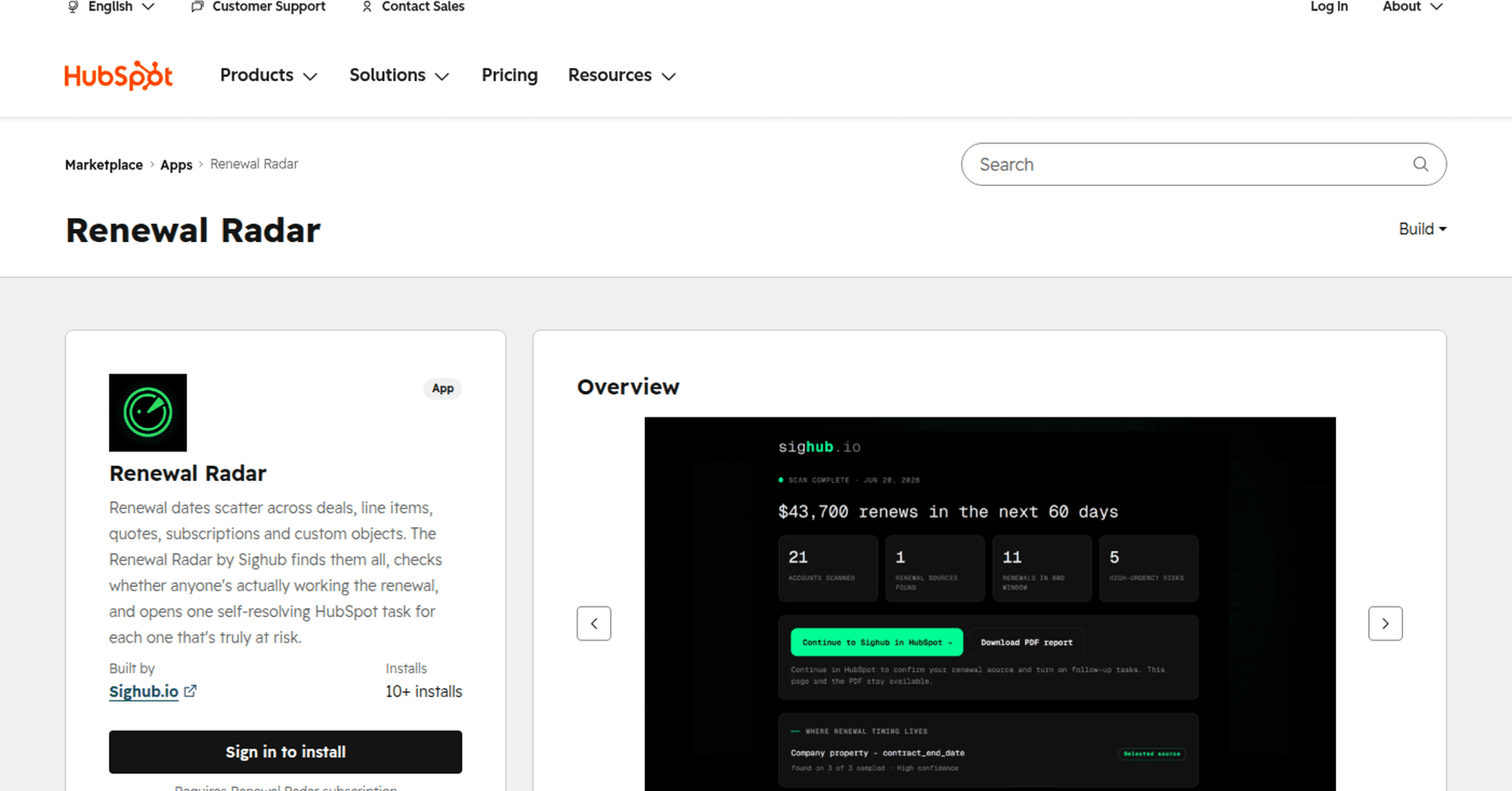
Sighub’s Renewal Radar scans HubSpot for upcoming and overdue renewals, explains why an account needs attention, and creates follow-up tasks. Here is what the public listing confirms, who the app fits, and what teams should test before enabling daily monitoring.
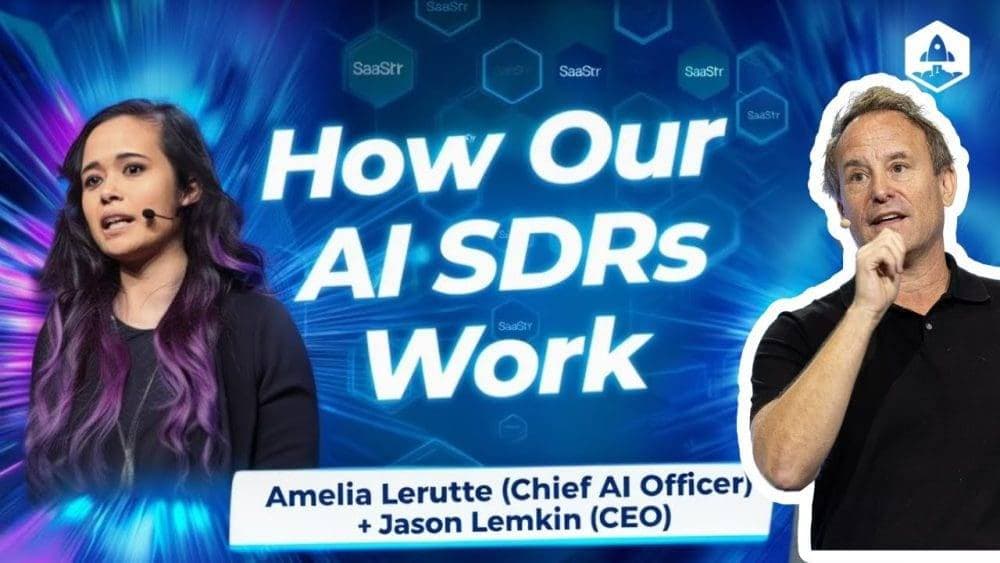
SaaStr argues from its own deployment that AI GTM agents do not discover a company's go-to-market motion; they multiply a playbook the team has already proved, documented, reviewed, and trained.
Gong says Assistant is embedded in Account Console so post-sales teams can ask account questions, prepare for customer conversations, generate renewal and follow-up materials, and examine patterns across a filtered…
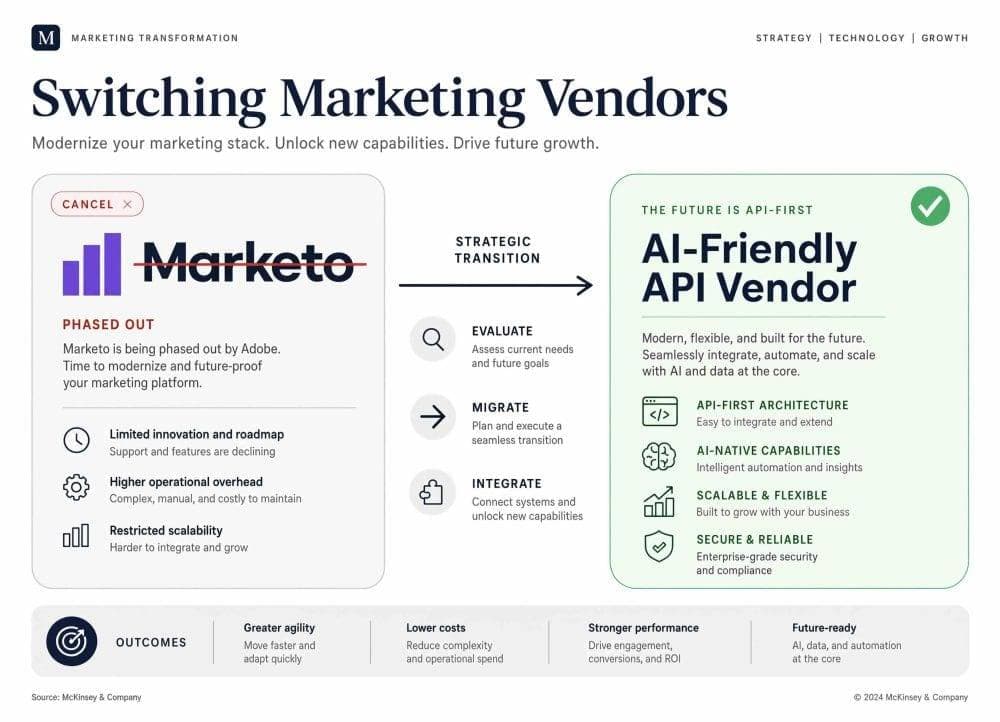
We just moved 10+ years of data off Marketo into Salesforce Marketing Cloud. It took us years to get there. The final straw was the rate-limiting in their API made it unusable for 10K, our AI agent for marketing and…
Our finance team went on vacation during SaaStr AI Annual. Our busiest time of the year. That’s the whole origin story. Collections started slipping, sponsors and vendors weren’t getting billed, and the work that has to…
AI agents can produce confident but incorrect answers without the right context. See how certified data, AI Skills, and Tableau MCP improve answer accuracy.
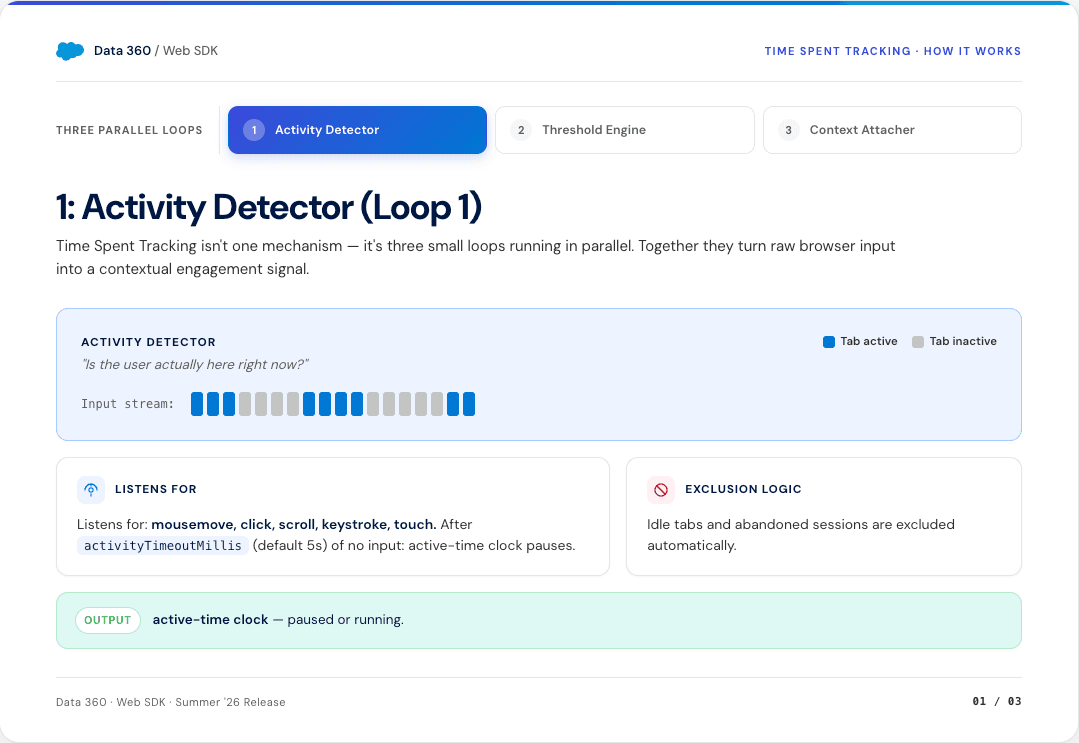
Almost every business accumulates massive amounts of behavioral data in their search for rich and actionable customer insight, yet they often miss the most critical signal: the duration of actual attention rather than
We hear this a lot: “Once you have AI agents the work, you don’t need CRM. Just give them a Postgres database and let them rip.” It sounds clean. It’s also wrong, I think. At least for 99% of us. At least for now.
ICONIQ recently released their 2026 GTM benchmark report, and it shows that overall sales quotas and processes are similar to the pre-AI era. Just … ramped up.
In the AI era, the most important question you can ask about your data platform isn’t what it can do — it’s whether it does it with your trust intact. At Salesforce, that
Part one of this two-part series walks through four discovery domains: custom objects, automation dependencies, integration touchpoints, and antipatterns.
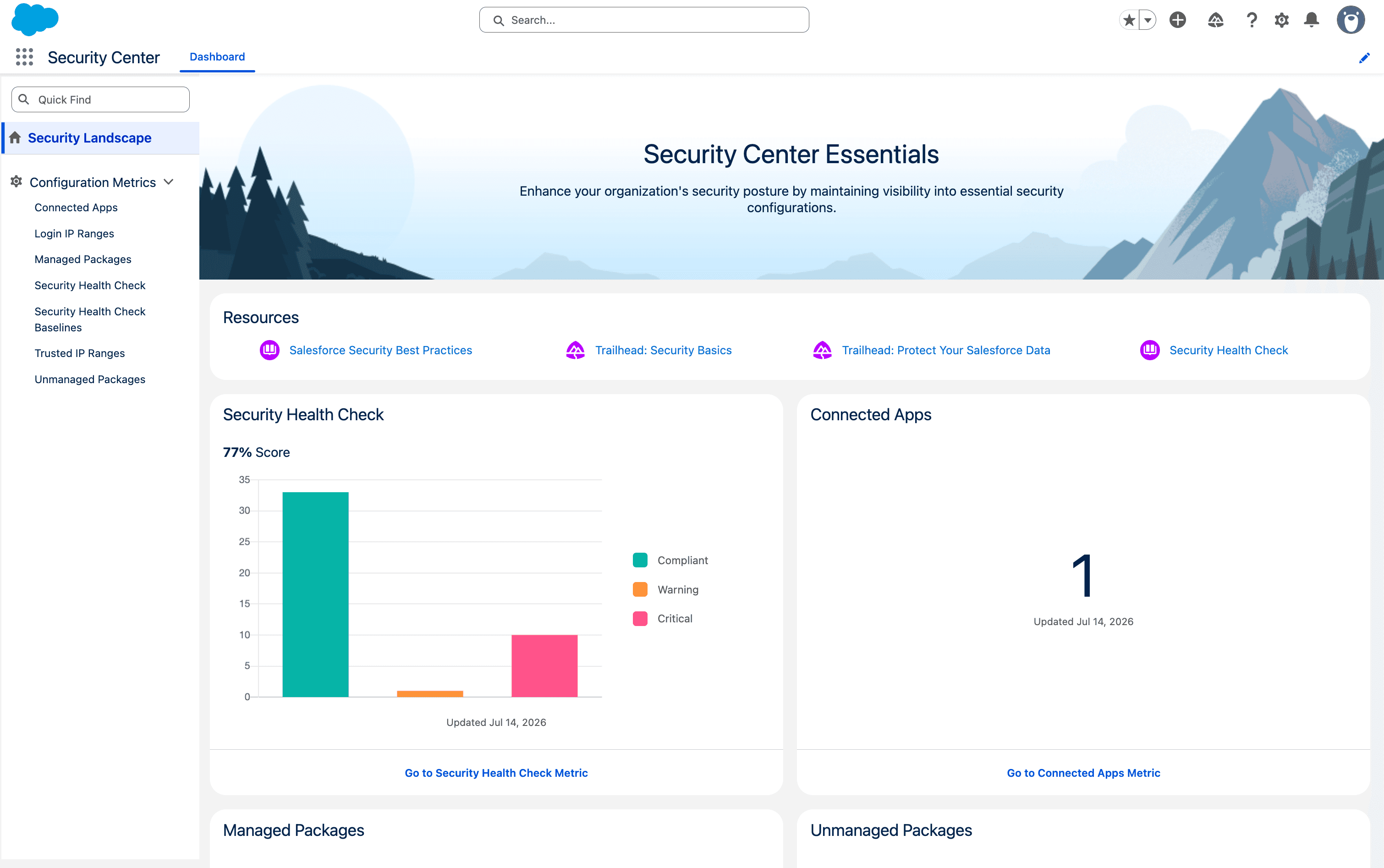
Simplify Salesforce security with Security Center Essentials. Learn how to track Health Check scores, audit integrations, and monitor IP ranges in one place.
I remember the first customer I lost due to not showing up in person. They were a Fortune 50 customer. We did a CSAT survey, and every user loved us. The implementation was flawless. There were zero issues.
In London in 1832, clerks from thirty-one competing banks gathered every afternoon on Lombard Street to settle accounts. Each bank had already mastered the basics — tracking debits, crediting accounts, settling…
Salesloft expands its MCP Server to connect revenue execution and forecasting data across Claude, OpenAI ChatGPT, Microsoft Copilot, and Google Gemini.
Someone on X this week made a claim that has truth in, but also radically overstates things: “I’ve built AI agents that do everything HubSpot would have done for me and more.
The main stage at SaaStr AI 2026 in San Mateo ran end to end on agents. Agents in production, carrying quota, writing to systems of record, and reshaping how companies are built.
Purpose built capability connects the partner revenue orchestration of Impartner PRM with HubSpot’s Smart CRM to streamline collaboration and improve operational visibilitySALT LAKE CITY--(BUSINESS
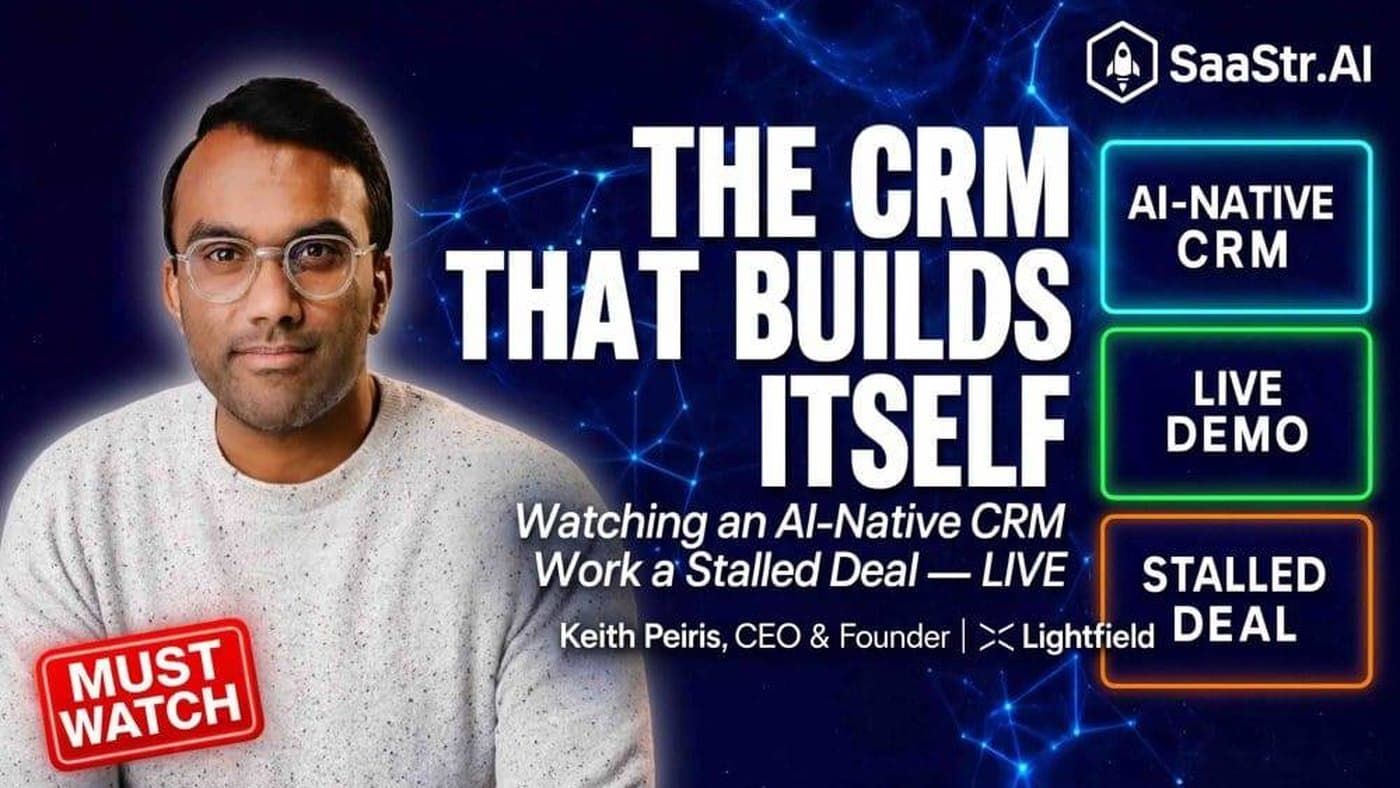
Watching an AI-Native CRM Run the Full GTM Loop Live: Lightfield CEO Keith Peiris Demos a Stalled Deal, an Automation, and Ten New Prospects Most CRM demos show you a nicer place to store data you still have to enter…
Sales prospecting automation exists to solve a structural problem: pipeline targets keep growing while the manual work required to fill them scales with headcount.
From siloed CRM records to unlogged customer calls, gaps in revenue data cost organizations 26% of their pipeline. Here's how leading teams are closing that gap with AI.
Learn how to build a B2B sales pipeline, define stages, qualify opportunities, track pipeline metrics, and improve sales pipeline management for predictable growth.
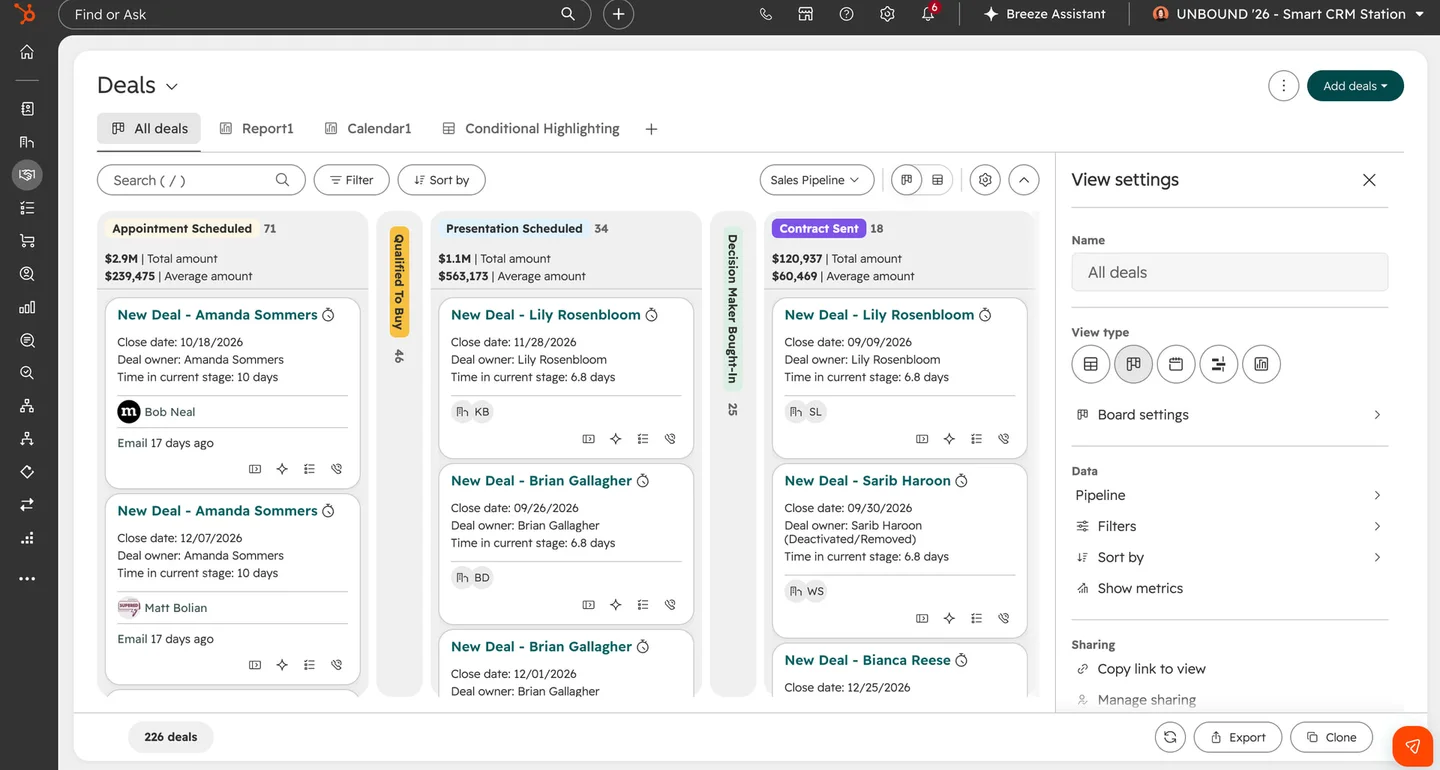
HubSpot is moving filters, metrics, report views, AI insights, and property management into the object index. The rollout can reduce navigation, but it also changes the workspace where reps and admins inspect and alter CRM records. Treat it as a controlled user migration, not a cosmetic refresh.