Source-linked RevOps signals, held to an editorial relevance gate. Each item names the operator question worth checking and keeps the original source visible.
The new integrations move post-sale signals closer to seller and agent workflows. The operational question is whether context, authority and write-back remain explainable.
Teams can ask new questions over messaging and behavioral data outside the standard report library, raising the value of explicit metric definitions and reproducible analytical boundaries.
Prebuilt Stripe, Shopify and Statuspage templates reduce connector setup, while status-code history gives operators a clearer record of connector degradation and recovery.
The September rollout puts Outreach’s conversational agent into Slack while adding a confirmation step before supported Prospect, Account and Opportunity changes.
Klaviyo says hundreds of platform capabilities can now be reached through APIs and agent interfaces. RevOps teams should verify scope, query logic, approval and customer-state controls before production use.
Sighub’s four approved tools let HubSpot agents retrieve renewal decisions, explain account risk, snooze alerts and record explicitly confirmed outcomes. Access requires an active Team or Partner plan.
Salesforce's September 9 account describes the controls around a 30-day internal agent pilot. The useful RevOps signal is its operating model, not a transferable productivity benchmark.
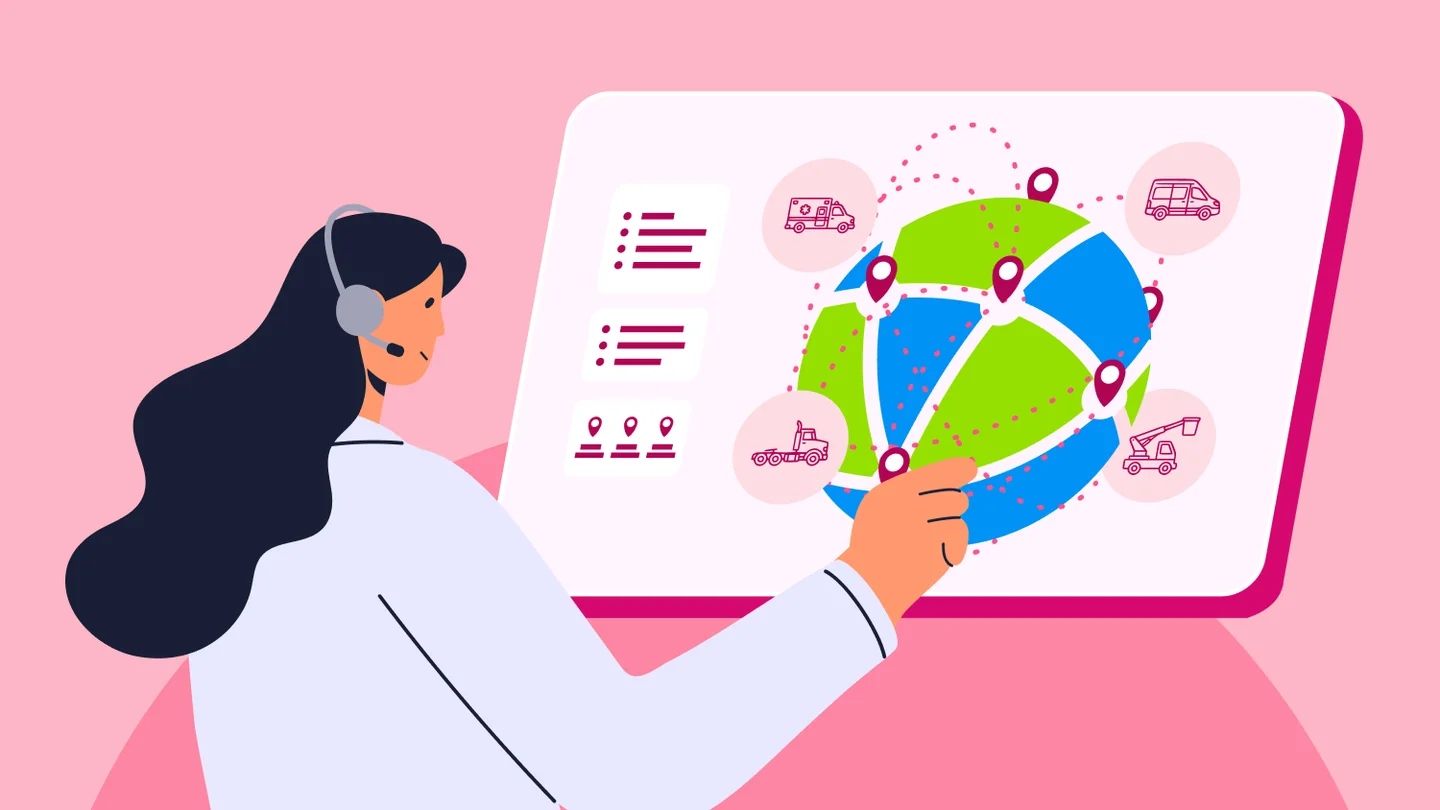
The September 8 preview places conversational booking around the Field Service scheduling engine. The RevOps question is how a request becomes a valid service commitment—and what happens when it cannot.
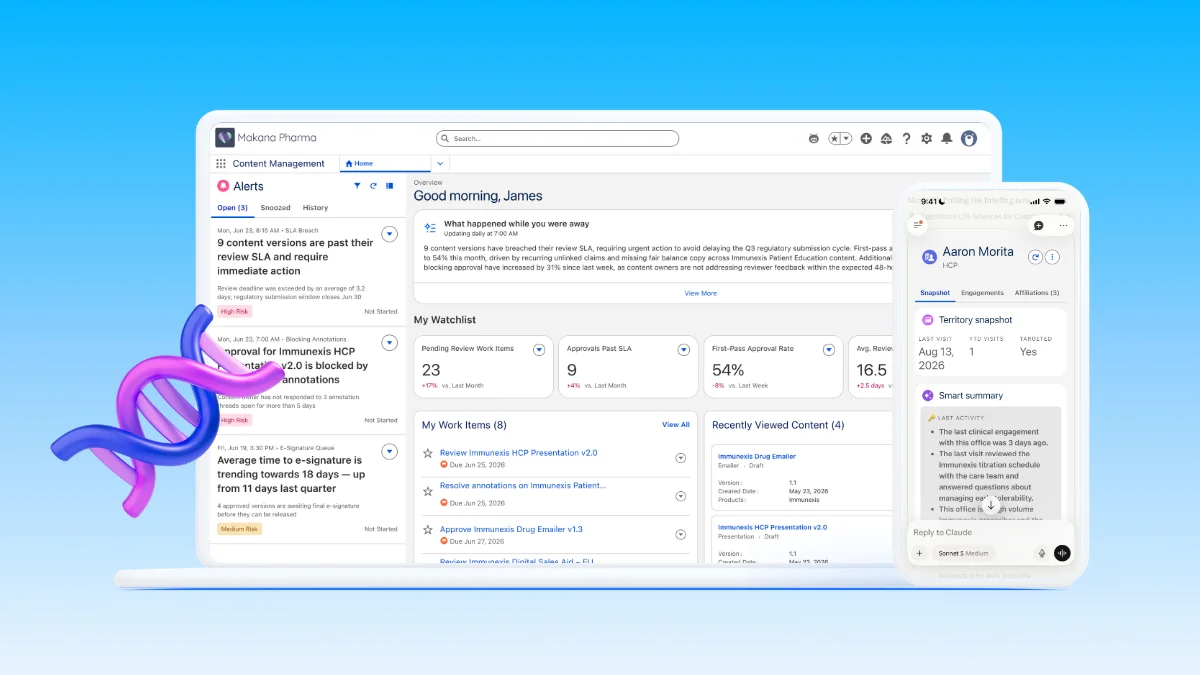
Regulated Content Management, Command Center and Life Sciences MCP are announced on different availability timelines. Commercial operations teams should use the roadmap to prepare evidence and ownership, not assume a live replacement.
The September 1 product roundup makes service-agent improvement more actionable. The operating work is deciding which gaps need better knowledge, a new action or a human handoff.
A company-reported support case offers useful evidence for operators, provided its observed results stay separate from universal targets and retention claims.
Core, Advanced and Max packages combine agent capacity with Slack, analytics, security and support. For RevOps, the practical work is to separate included entitlements from usable workflow coverage and future consumption.
HubSpot’s UNBOUND conference is approaching as Agent Hub, Agent Builder and Agent Tools remain in beta. Sighub is aligning Renewal Radar around bounded renewal evidence and deterministic action states—not open-ended churn prediction.
The new control layer evaluates proposed agent actions before business tools execute. A public reference endpoint is available, while production workspaces remain subject to approved early access.
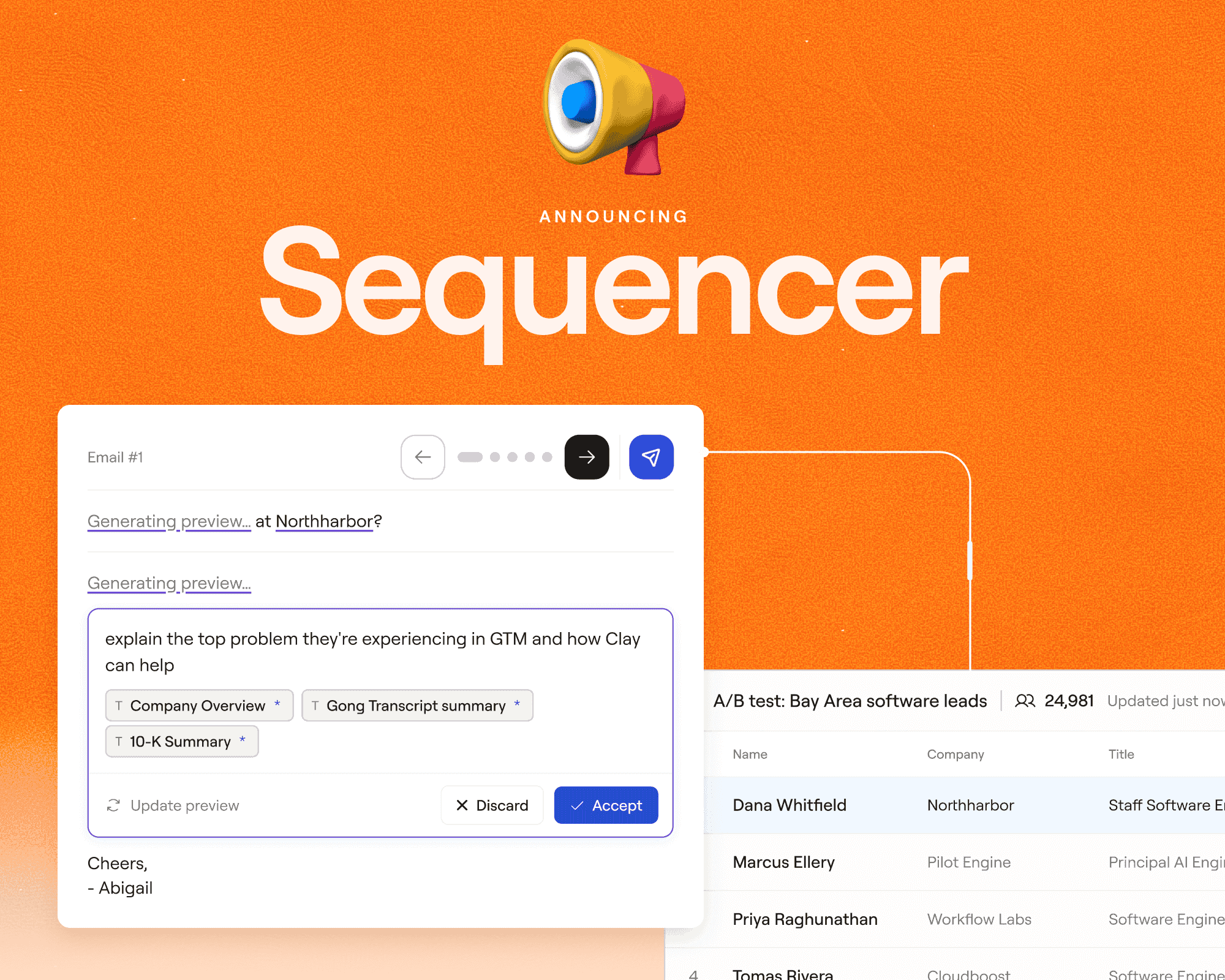
Clay has made its sequencer generally available with audience, eligibility, inbox, reply, and analytics controls. The operator question is whether the combined workflow remains inspectable when source data changes between enrollment and send.
The release expands Agentforce into reusable skills, cross-platform orchestration, quoting and renewal preparation. Its 12 October general-availability date gives RevOps teams a short window to define evidence, permissions and post-action verification.
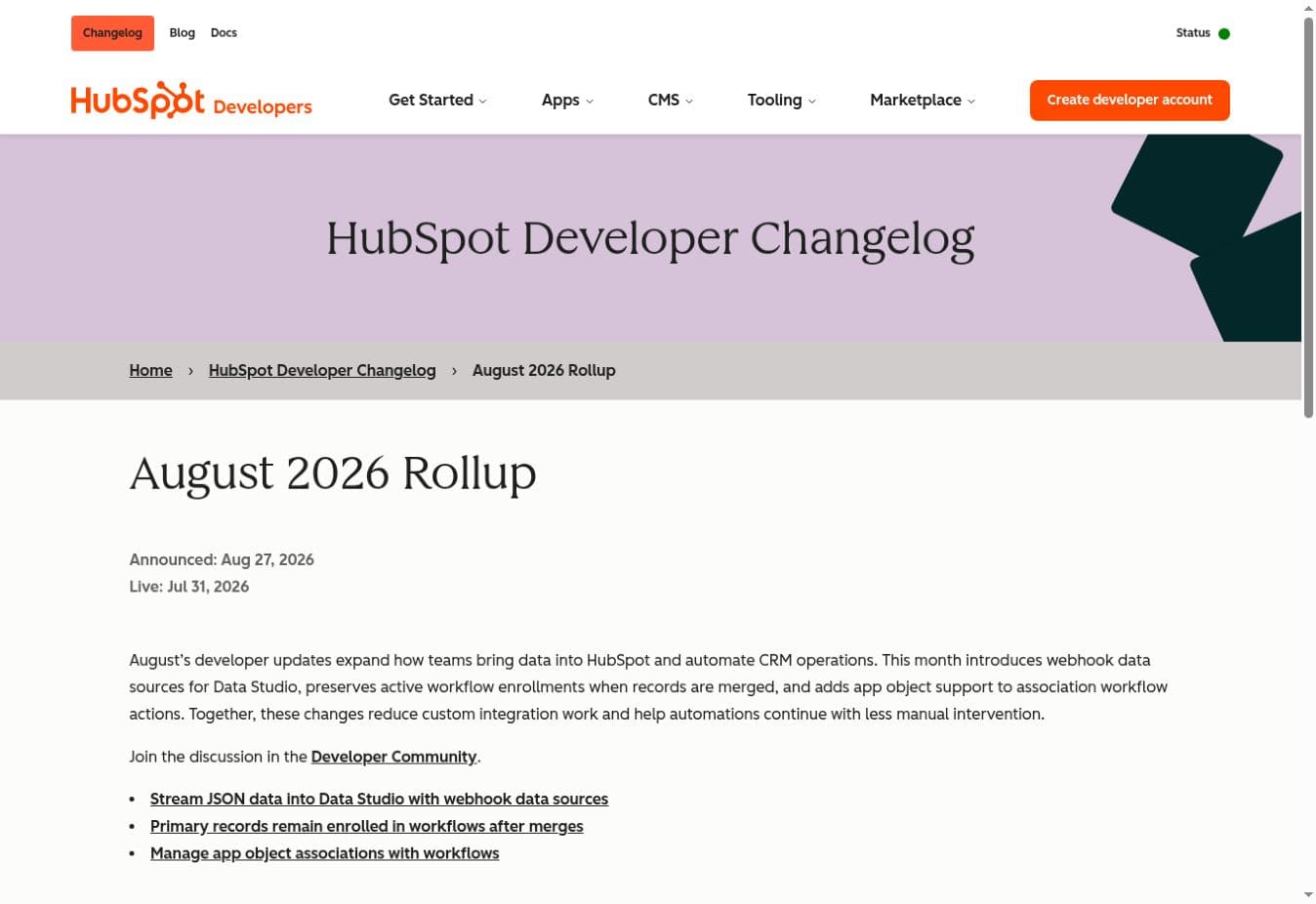
Webhook data sources, merge-safe workflow enrollment and app-object associations can remove custom integration work, but each feature also moves an operational boundary. RevOps should review secret handling, match keys, merge outcomes, pending automation and association authority before relying on the new behavior.
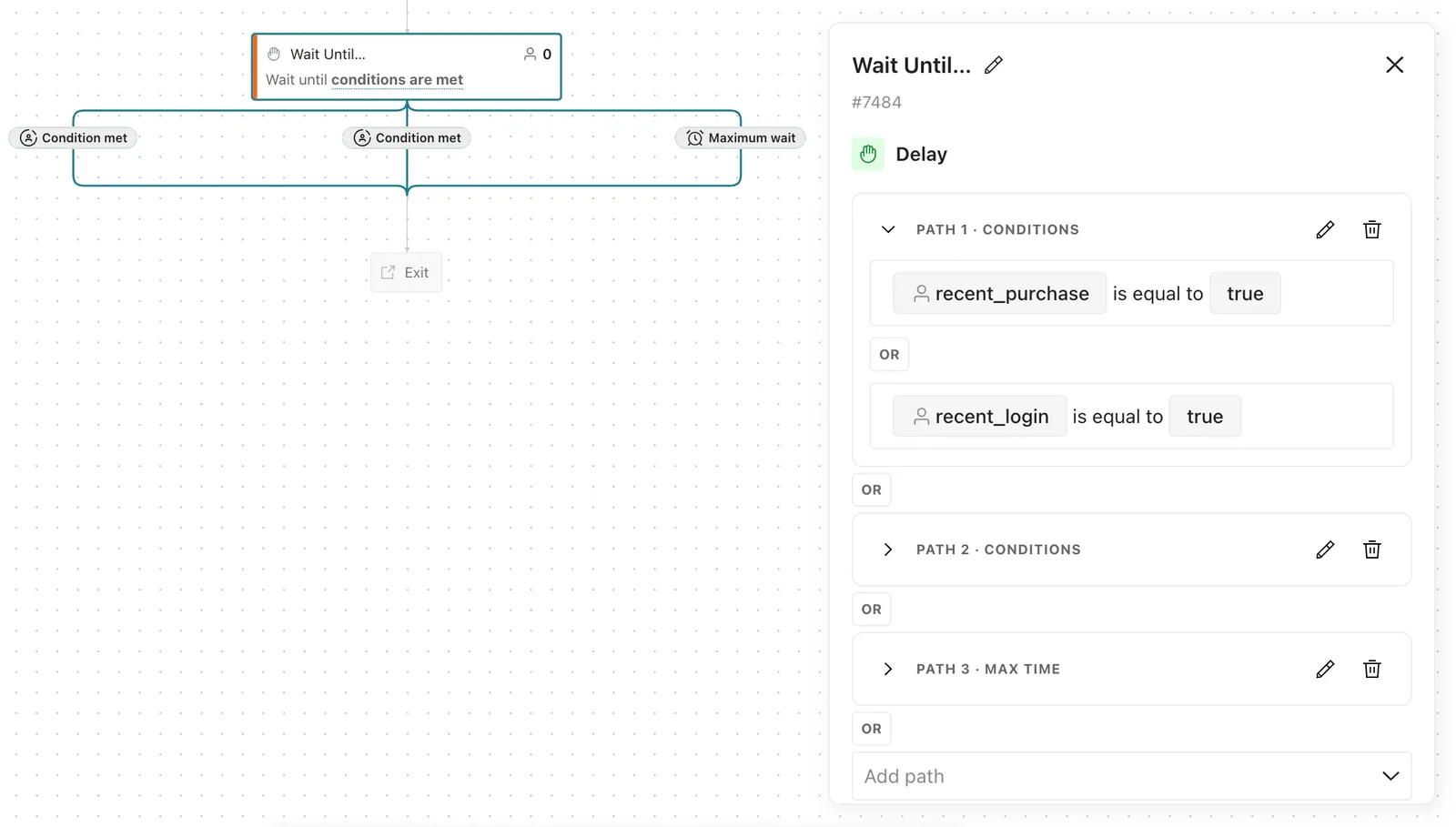
A single Wait Until path can now combine chained delays, nested And/Or conditions, and relationship logic. The canvas may become shorter, but the lifecycle decision becomes more expressive. Preserve timing, identity, branch meaning, exits, and test evidence before consolidating production journeys.
HubSpot grouped invoice prioritization, billing defaults, price books, tax monitoring, project-contract associations, and a payments-readiness API into one August update. RevOps should not deploy them as one bundle: each release changes a different authority, evidence, or handoff boundary.
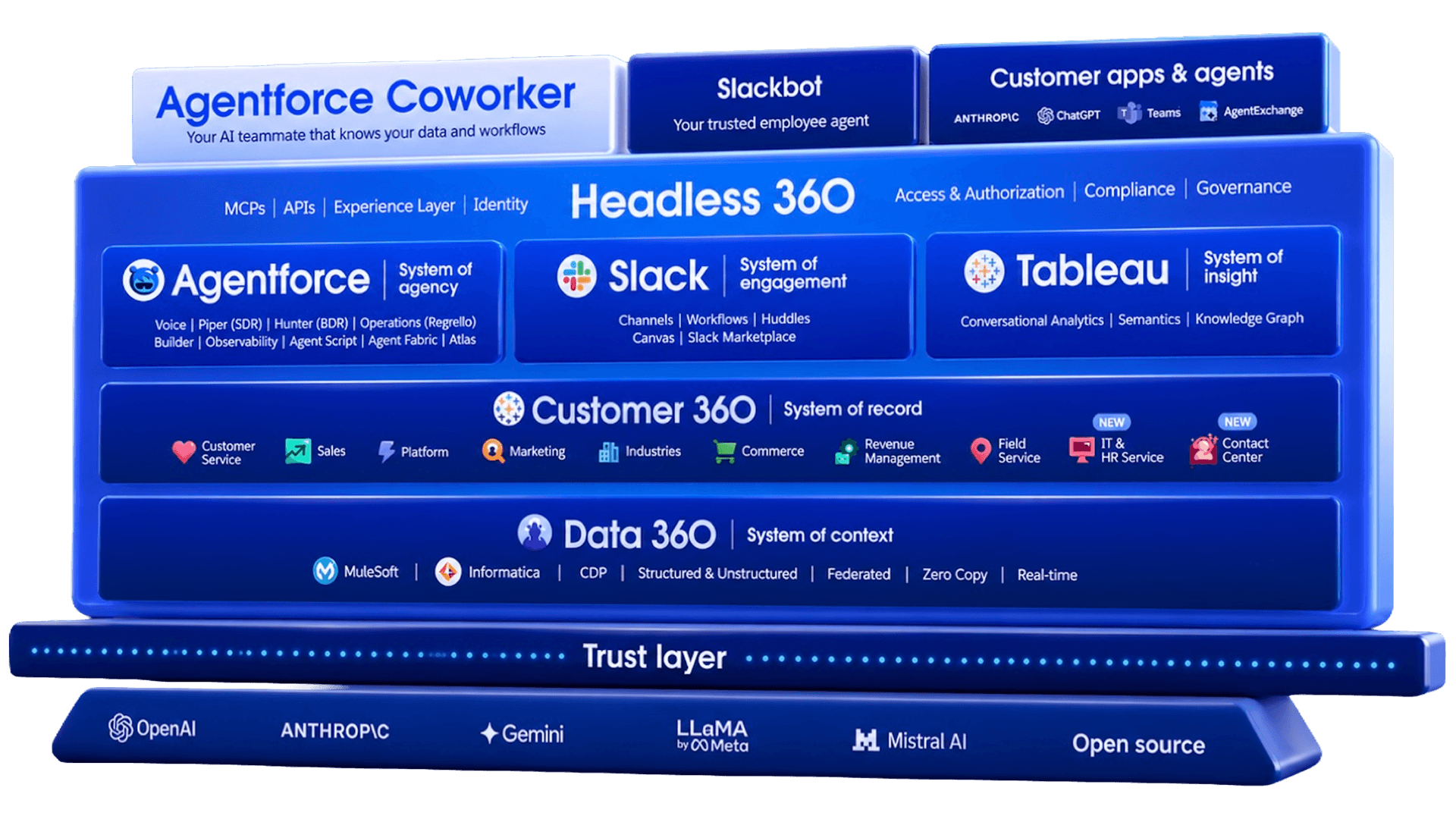
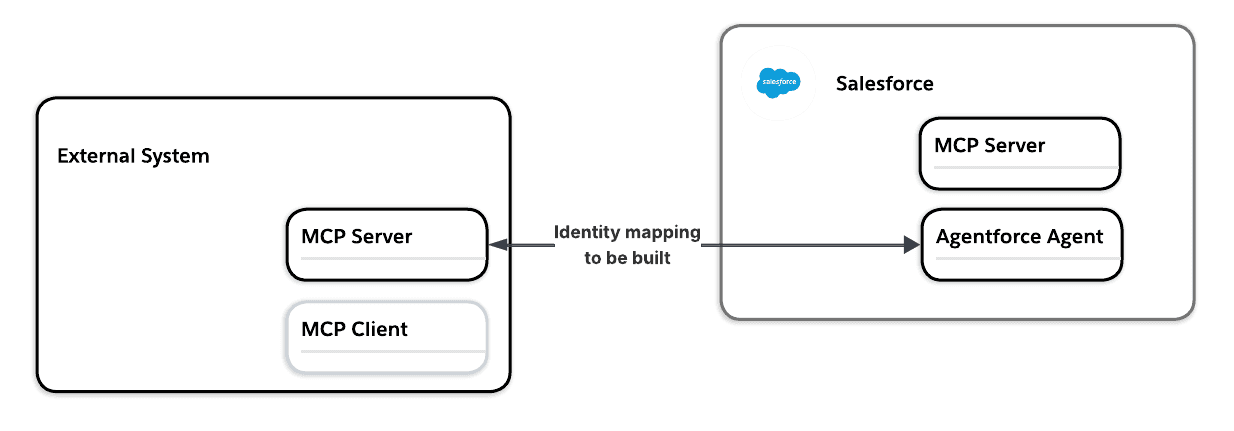
Salesforce is making CRM capabilities discoverable to more agents through MCP, Skills, Data 360 and headless experience layers. Reuse can reduce integration work, but discovery is not permission and a reusable capability still needs a named identity, bounded object access, approval policy, duplicate-write control and revocation path.
Customer.io’s Slack app adds a conversational entry point for workspace questions and work. Teams need clear boundaries for access, review and message launch.
Salesforce’s Headless 360 guidance moves Agentforce development from browser-only configuration toward metadata, CLI deployment, reusable tests, and production traces. RevOps should treat that as a change-control signal: define record authority, approval gates, release evidence, and rollback before an agent can affect a live revenue workflow.
MarTech’s measurement signal is simple: more frequent data creates more opportunities to overreact. RevOps should separate normal movement from decision-grade change with explicit metric purpose, observation windows, system-of-record evidence, and a controlled action rule.
Salesforce argues that technical debt, unclear data ownership, and slow change governance become harder constraints when agents depend on CRM context. RevOps should answer with a traceable decision queue, explicit field and automation authority, faster review, and a readiness gate before agent rollout.
MarTech argues that every new marketing integration is a security decision. RevOps should turn that warning into a live inventory of connected apps, effective identities, CRM scopes, onward transfers, write paths, retention, and tested revocation.
Salesforce’s Data 360 architecture article shows why identity resolution is more than deduplication. RevOps should inspect event order, customer keys, field survivorship, record relationships, permissions, and merge history before an agent reads or acts on a unified profile.
A SaaStr operating account shows how one short, usage-timed message turned a product test into detailed implementation evidence. RevOps and CS Ops should connect onboarding outreach to verified product behavior, preserve the response in the customer record, and separate support, research, and expansion decisions.
MarTech reports allegations of broad data collection by marketing-software vendors. The immediate RevOps task is not to assume wrongdoing, but to prove which CRM and customer data each integration can access, why it needs that access, where the data goes, and how the connection can be stopped.
MarTech’s email-program audit moves from delivery foundations to lifecycle flows, ESP controls, and testing. RevOps should add identity, consent, ownership, suppression, revenue-event, and reconciliation checks before calling an automation gap a revenue opportunity.
Agentforce Coworker is Generally Available. It’s 8:47 a.m. A top-tier customer wants a custom renewal proposal — based on their case history, account data, and usage metrics — by end of day. You
SaaStr argues from its own deployment that AI GTM agents do not discover a company's go-to-market motion; they multiply a playbook the team has already proved, documented, reviewed, and trained.
Gong says Assistant is embedded in Account Console so post-sales teams can ask account questions, prepare for customer conversations, generate renewal and follow-up materials, and examine patterns across a filtered…
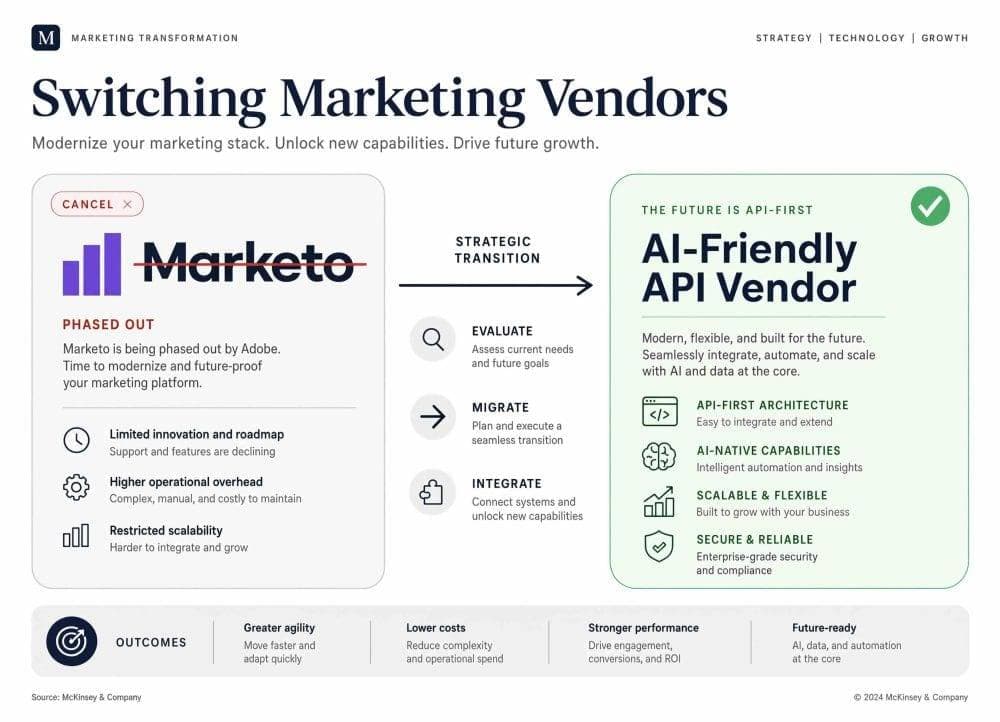
We just moved 10+ years of data off Marketo into Salesforce Marketing Cloud. It took us years to get there. The final straw was the rate-limiting in their API made it unusable for 10K, our AI agent for marketing and…
Our finance team went on vacation during SaaStr AI Annual. Our busiest time of the year. That’s the whole origin story. Collections started slipping, sponsors and vendors weren’t getting billed, and the work that has to…
AI agents can produce confident but incorrect answers without the right context. See how certified data, AI Skills, and Tableau MCP improve answer accuracy.
We hear this a lot: “Once you have AI agents the work, you don’t need CRM. Just give them a Postgres database and let them rip.” It sounds clean. It’s also wrong, I think. At least for 99% of us. At least for now.
In the AI era, the most important question you can ask about your data platform isn’t what it can do — it’s whether it does it with your trust intact. At Salesforce, that
Part one of this two-part series walks through four discovery domains: custom objects, automation dependencies, integration touchpoints, and antipatterns.
I remember the first customer I lost due to not showing up in person. They were a Fortune 50 customer. We did a CSAT survey, and every user loved us. The implementation was flawless. There were zero issues.
In London in 1832, clerks from thirty-one competing banks gathered every afternoon on Lombard Street to settle accounts. Each bank had already mastered the basics — tracking debits, crediting accounts, settling…
Salesloft expands its MCP Server to connect revenue execution and forecasting data across Claude, OpenAI ChatGPT, Microsoft Copilot, and Google Gemini.
Someone on X this week made a claim that has truth in, but also radically overstates things: “I’ve built AI agents that do everything HubSpot would have done for me and more.
The main stage at SaaStr AI 2026 in San Mateo ran end to end on agents. Agents in production, carrying quota, writing to systems of record, and reshaping how companies are built.
Watching an AI-Native CRM Run the Full GTM Loop Live: Lightfield CEO Keith Peiris Demos a Stalled Deal, an Automation, and Ten New Prospects Most CRM demos show you a nicer place to store data you still have to enter…
Sales prospecting automation exists to solve a structural problem: pipeline targets keep growing while the manual work required to fill them scales with headcount.
From siloed CRM records to unlogged customer calls, gaps in revenue data cost organizations 26% of their pipeline. Here's how leading teams are closing that gap with AI.