Source-linked RevOps signals, held to an editorial relevance gate. Each item names the operator question worth checking and keeps the original source visible.
Intercom now shows specific reasons when an outbound call does not connect, separating invalid numbers, busy lines, recipient declines, carrier blocks and region restrictions instead of one generic failure.
PostHog changed access precedence to use the most-specific rule and says MCP intent capture redacts common structured PII. Both updates matter to teams exposing product and customer data to agents.
Clay connects richer MCP prospect searches with Account Engagement list operations. Matching, enrichment and campaign eligibility remain separate checks.
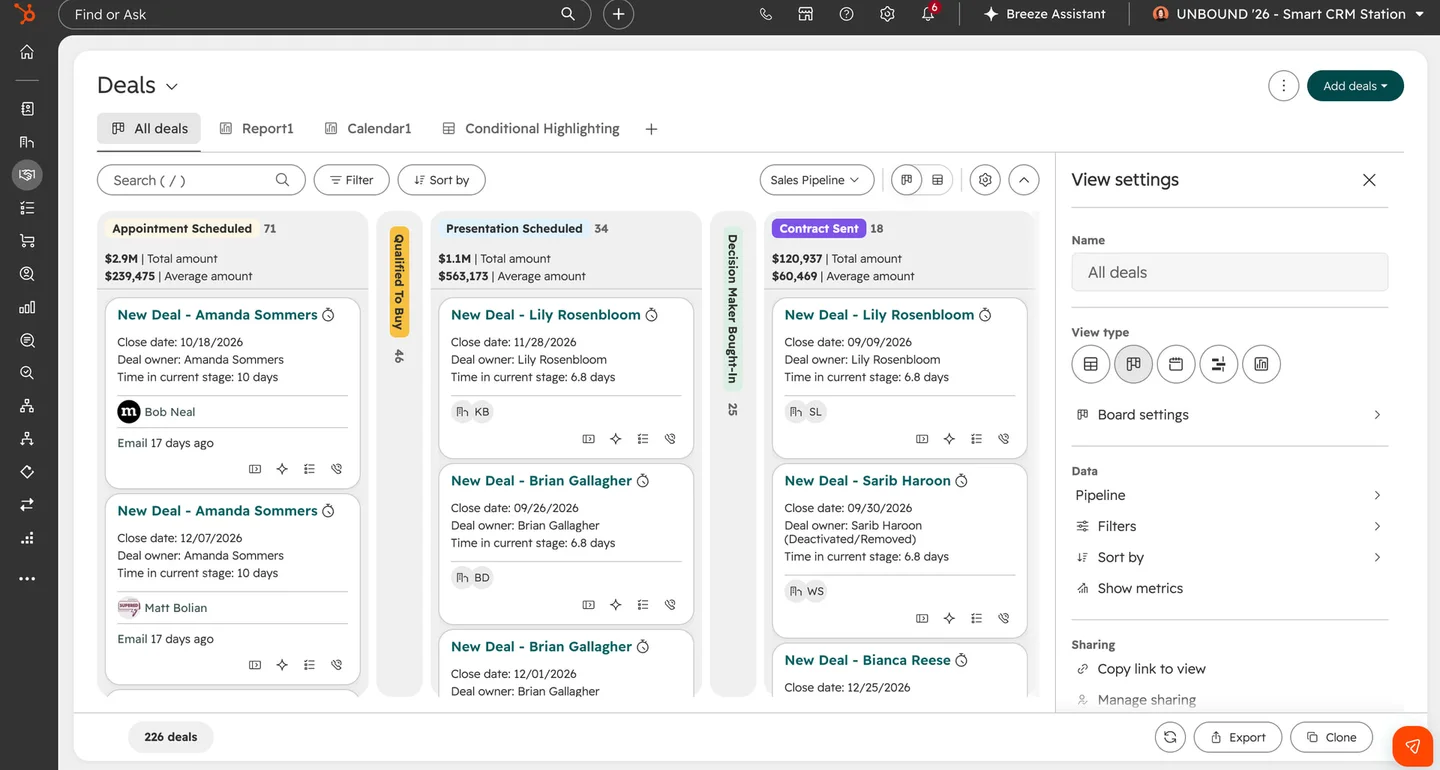
The September 4 completion notice turns an opt-in redesign into an everyday operating change. RevOps should review shared views, field authority and the work users may no longer see.
Workato raises Event Streams payload limits and adds dynamic recipe batching. Downstream limits, replay behaviour and field selection still need validation.
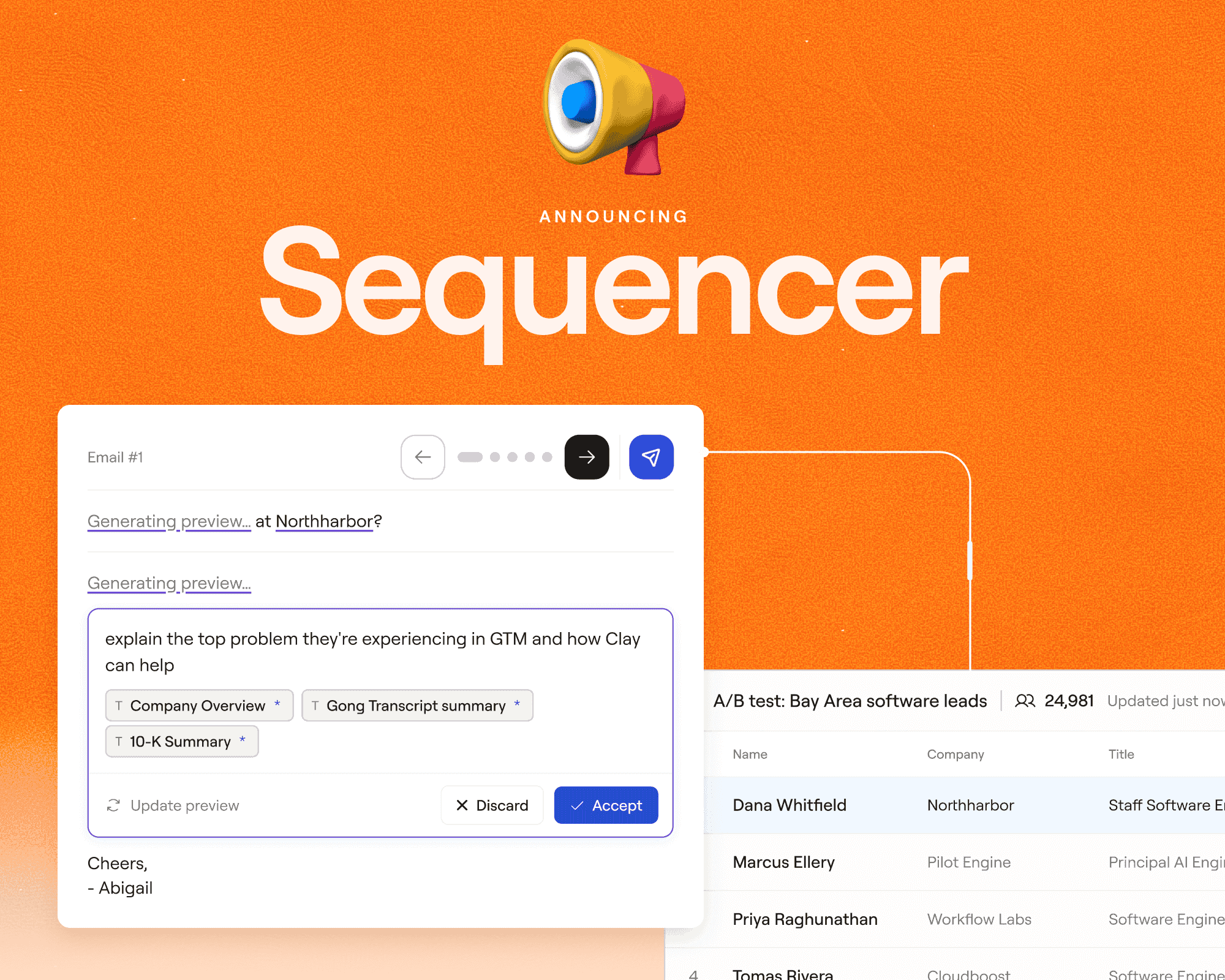
Clay has made its sequencer generally available with audience, eligibility, inbox, reply, and analytics controls. The operator question is whether the combined workflow remains inspectable when source data changes between enrollment and send.
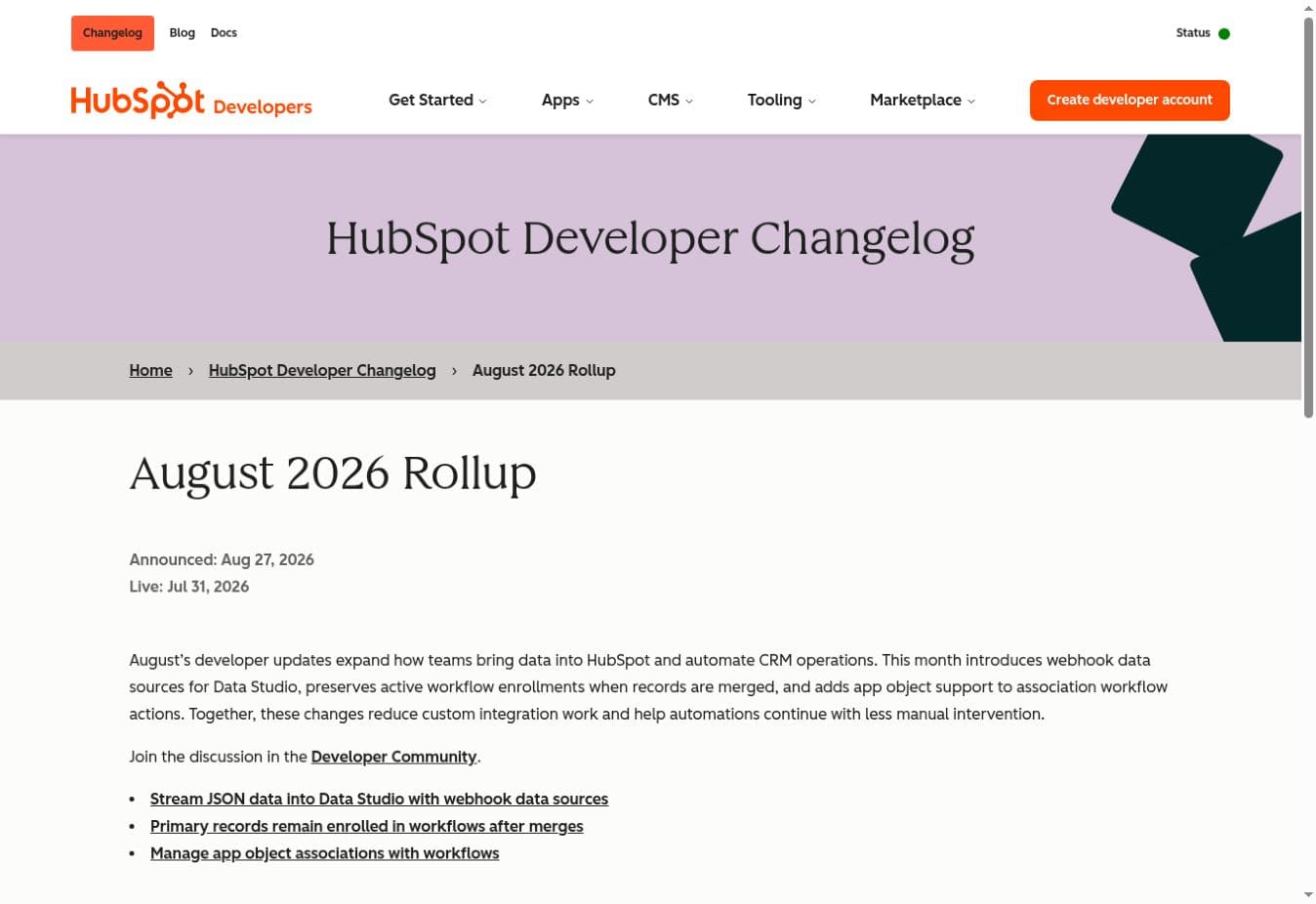
Webhook data sources, merge-safe workflow enrollment and app-object associations can remove custom integration work, but each feature also moves an operational boundary. RevOps should review secret handling, match keys, merge outcomes, pending automation and association authority before relying on the new behavior.
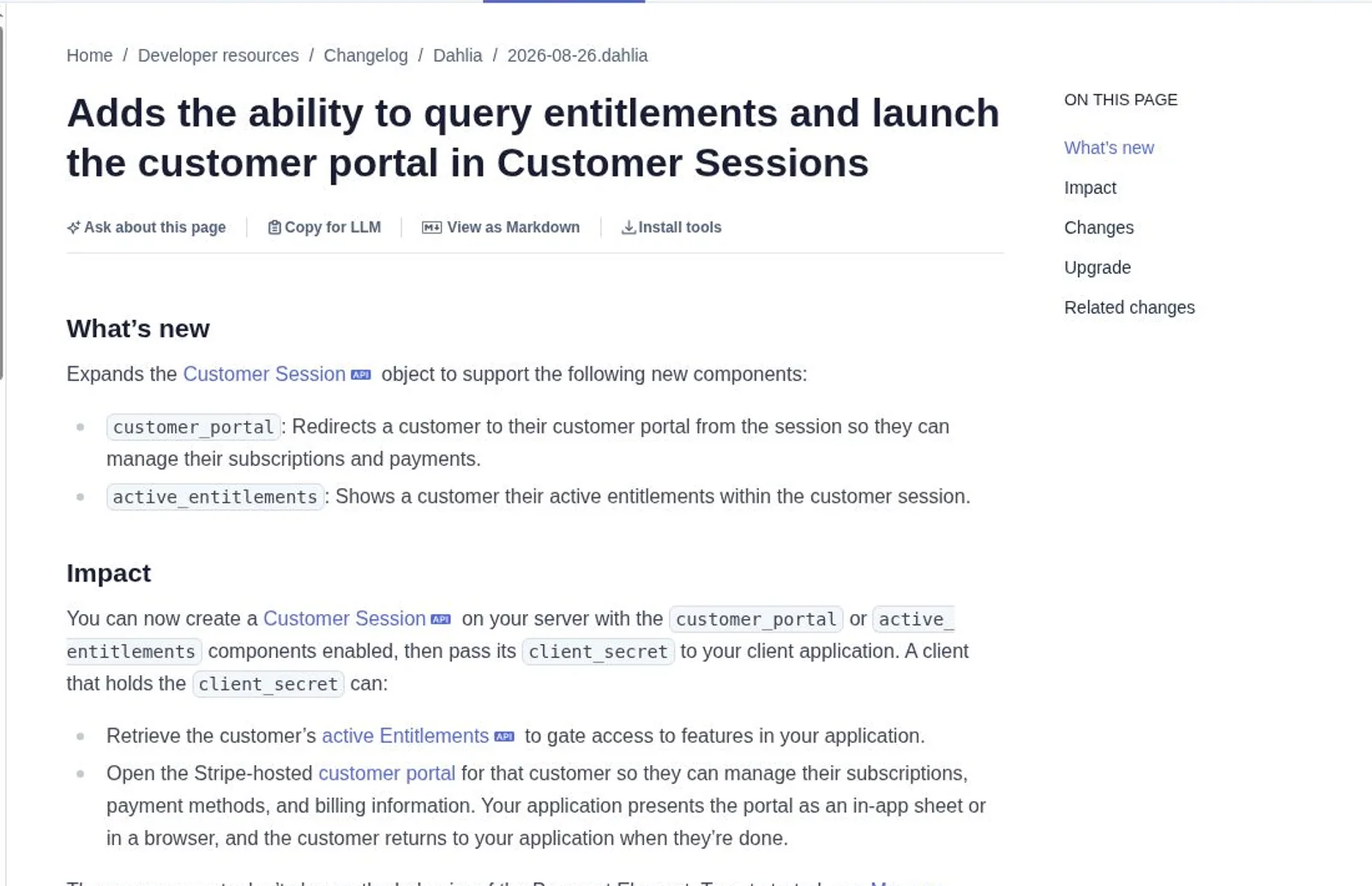
The 2026-08-26 Dahlia release adds customer-portal links, entitlement access in Customer Sessions, frozen invoice-item fields, another invoice payment method, and a higher subscription-item limit. Each is non-breaking at the API level, but each can still change an operating workflow.
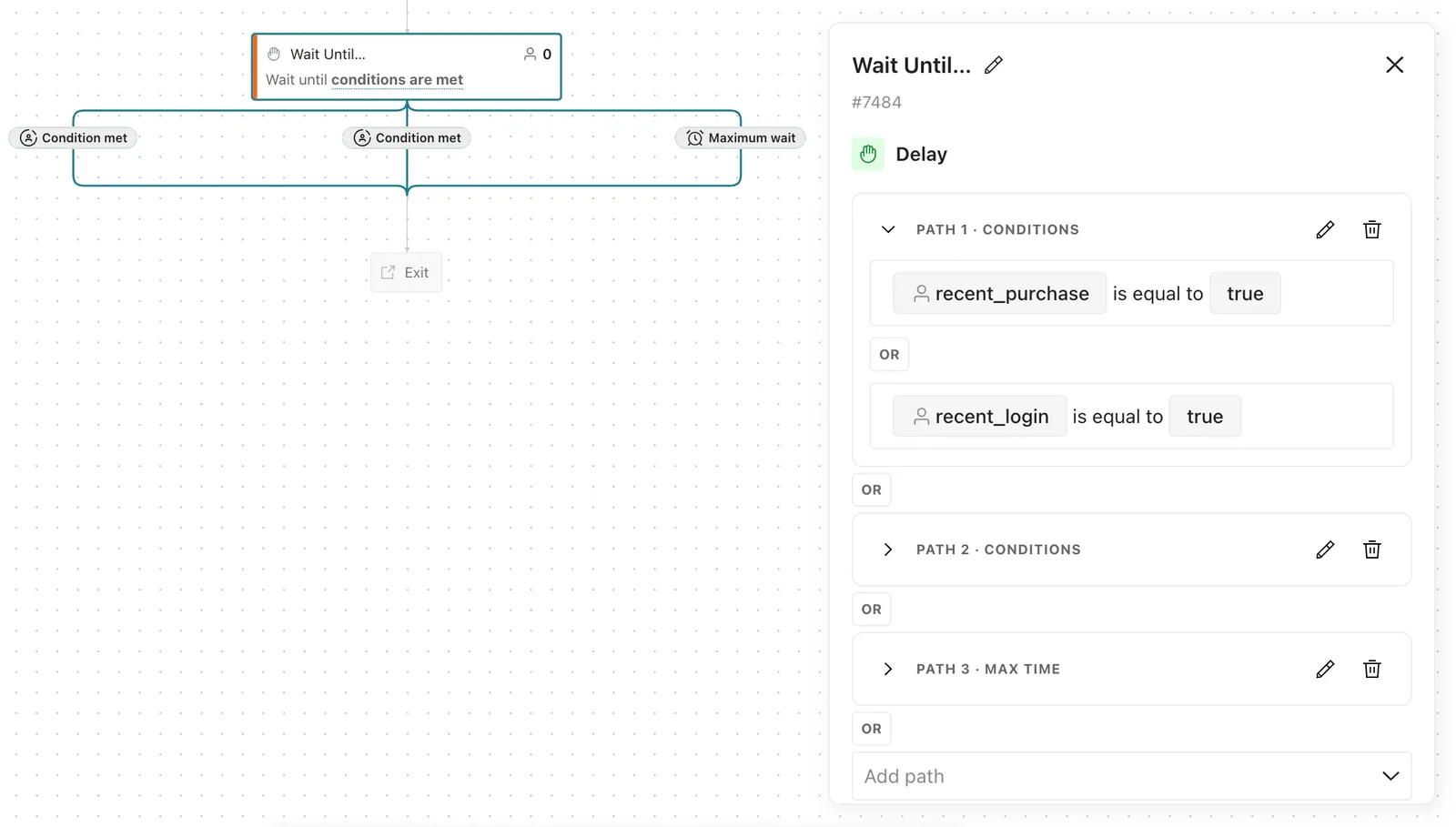
A single Wait Until path can now combine chained delays, nested And/Or conditions, and relationship logic. The canvas may become shorter, but the lifecycle decision becomes more expressive. Preserve timing, identity, branch meaning, exits, and test evidence before consolidating production journeys.
Clay’s 24 August update adds Enterprise credit budgets and Function testing. Teams still need to separate credit controls, action usage and production approval.
Braze makes its Cloud Data Ingestion SQL editor generally available. A separate visual mapper remains in beta, with different transformation capabilities.
Salesforce is making CRM capabilities discoverable to more agents through MCP, Skills, Data 360 and headless experience layers. Reuse can reduce integration work, but discovery is not permission and a reusable capability still needs a named identity, bounded object access, approval policy, duplicate-write control and revocation path.
Salesforce’s Data 360 architecture article shows why identity resolution is more than deduplication. RevOps should inspect event order, customer keys, field survivorship, record relationships, permissions, and merge history before an agent reads or acts on a unified profile.
A SaaStr operating account shows how one short, usage-timed message turned a product test into detailed implementation evidence. RevOps and CS Ops should connect onboarding outreach to verified product behavior, preserve the response in the customer record, and separate support, research, and expansion decisions.
MarTech reports allegations of broad data collection by marketing-software vendors. The immediate RevOps task is not to assume wrongdoing, but to prove which CRM and customer data each integration can access, why it needs that access, where the data goes, and how the connection can be stopped.
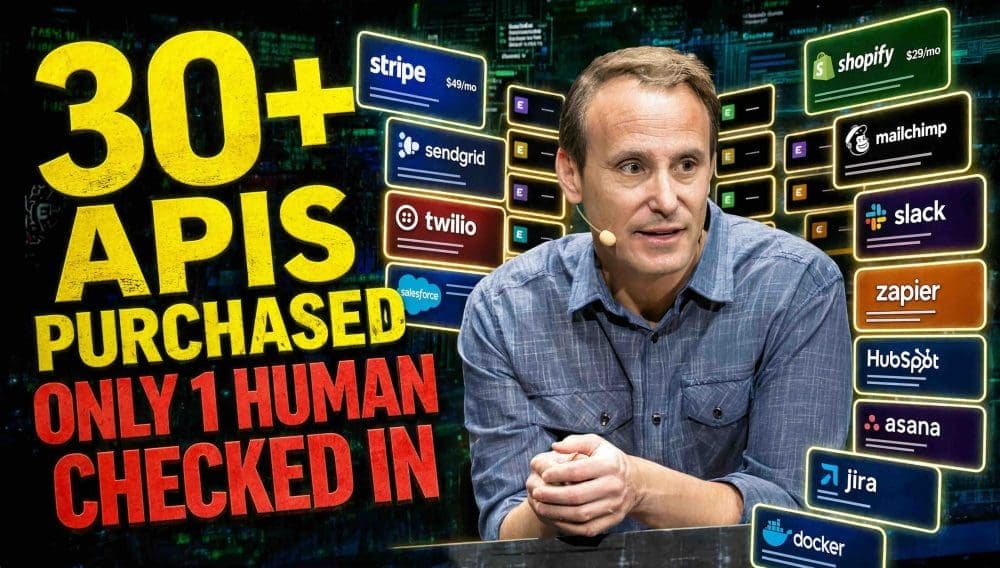
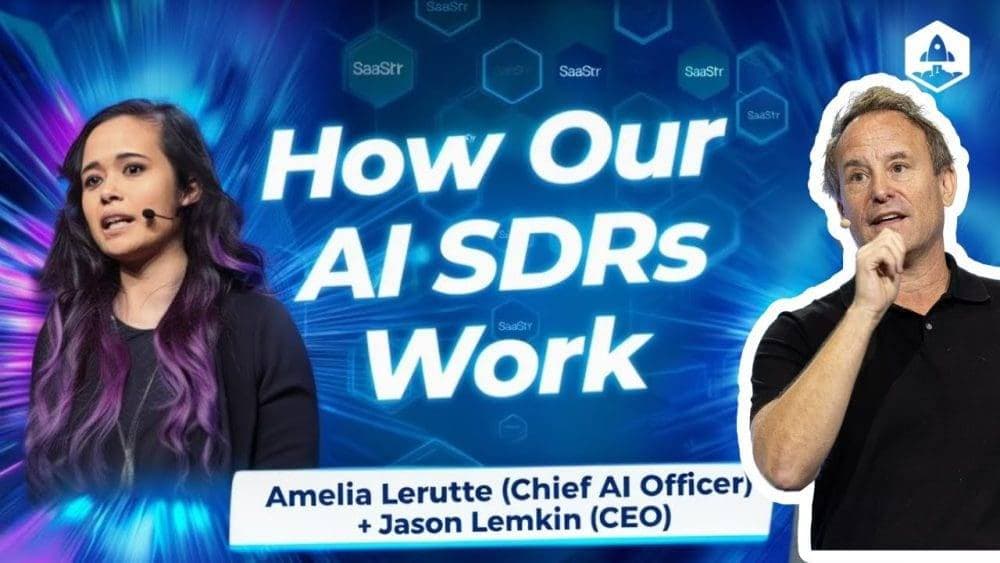
SaaStr argues from its own deployment that AI GTM agents do not discover a company's go-to-market motion; they multiply a playbook the team has already proved, documented, reviewed, and trained.
Gong says Assistant is embedded in Account Console so post-sales teams can ask account questions, prepare for customer conversations, generate renewal and follow-up materials, and examine patterns across a filtered…
Our finance team went on vacation during SaaStr AI Annual. Our busiest time of the year. That’s the whole origin story. Collections started slipping, sponsors and vendors weren’t getting billed, and the work that has to…
AI agents can produce confident but incorrect answers without the right context. See how certified data, AI Skills, and Tableau MCP improve answer accuracy.
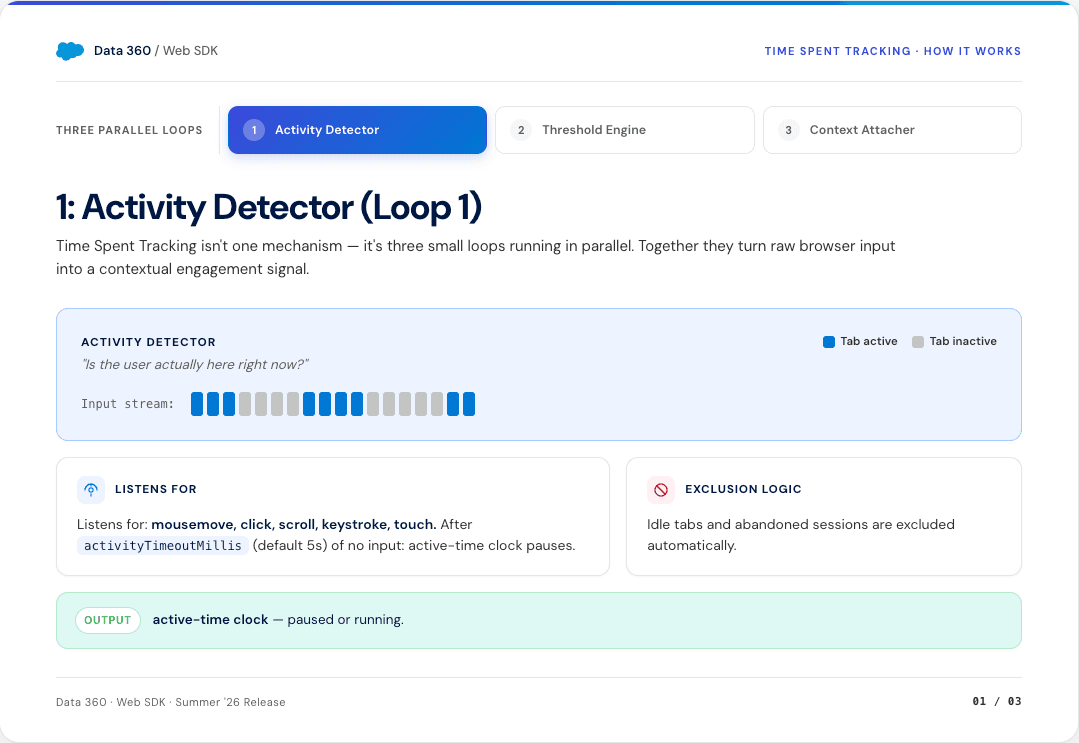
Almost every business accumulates massive amounts of behavioral data in their search for rich and actionable customer insight, yet they often miss the most critical signal: the duration of actual attention rather than
We hear this a lot: “Once you have AI agents the work, you don’t need CRM. Just give them a Postgres database and let them rip.” It sounds clean. It’s also wrong, I think. At least for 99% of us. At least for now.
In the AI era, the most important question you can ask about your data platform isn’t what it can do — it’s whether it does it with your trust intact. At Salesforce, that
Part one of this two-part series walks through four discovery domains: custom objects, automation dependencies, integration touchpoints, and antipatterns.
In London in 1832, clerks from thirty-one competing banks gathered every afternoon on Lombard Street to settle accounts. Each bank had already mastered the basics — tracking debits, crediting accounts, settling…
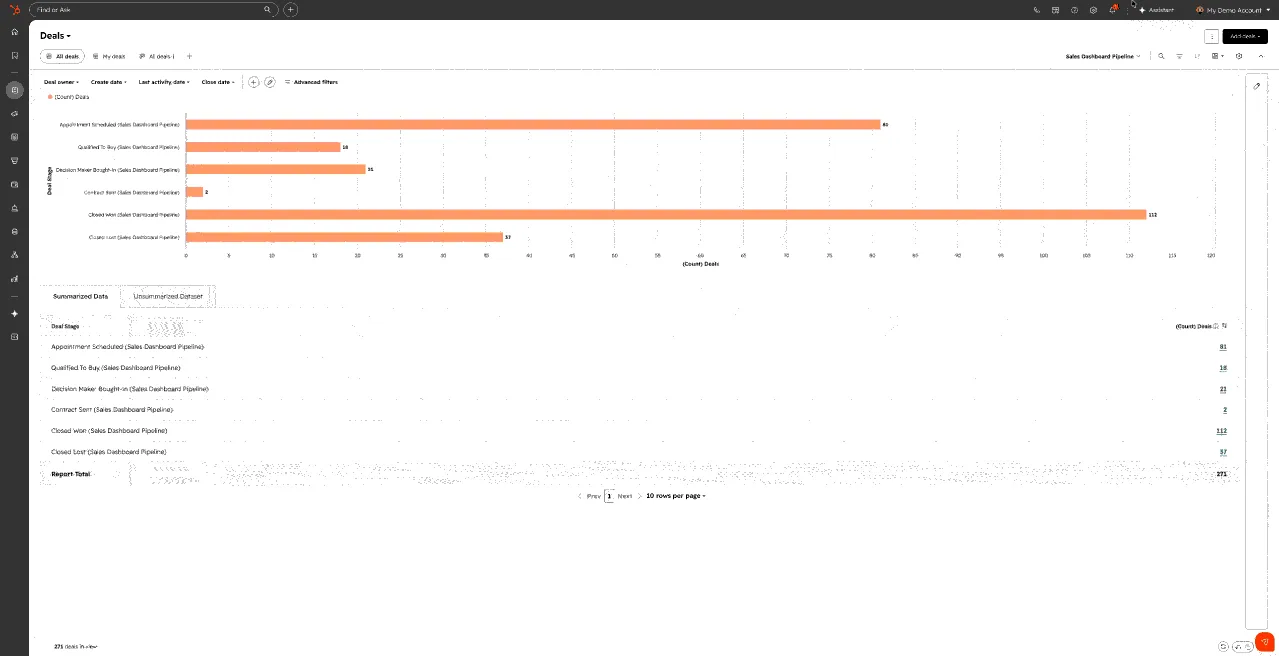
HubSpot is moving filters, metrics, report views, AI insights, and property management into the object index. The rollout can reduce navigation, but it also changes the workspace where reps and admins inspect and alter CRM records. Treat it as a controlled user migration, not a cosmetic refresh.